When Child Life Is Part of the Team, Everything Changes
When Child Life is woven into care from the start, better outcomes follow.
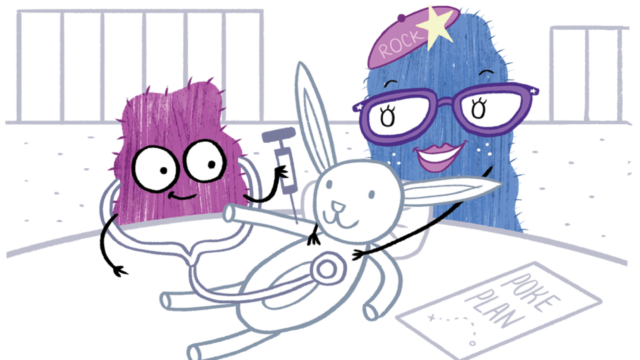
Jamie Gentille, MPH, CCLS
Babies & Toddlers (0-2) Kids (3-11) Tweens & Teens (12+) Provider Acute Pain Chronic Pain Procedural Pain English
Share this:
Ask someone what a Child Life Specialist does and you might get a blank stare. In healthcare, Child Life has been called “the best kept secret” — which is a problem, because for the families who experience it, there’s nothing secret about its impact.
Child Life Specialists are experts in child development and the science of how kids experience stress, fear, and pain in medical settings. They prepare children for procedures in ways that actually make sense to a 5-year-old brain. They teach coping skills that calm nervous systems. They turn overwhelming moments into manageable ones. They prevent trauma before it starts. And in doing so, they don’t just make kids feel better — they measurably improve outcomes. The American Academy of Pediatrics recognizes Child Life Services as an essential component of pediatric programs, helping children and families successfully navigate their medical experiences.
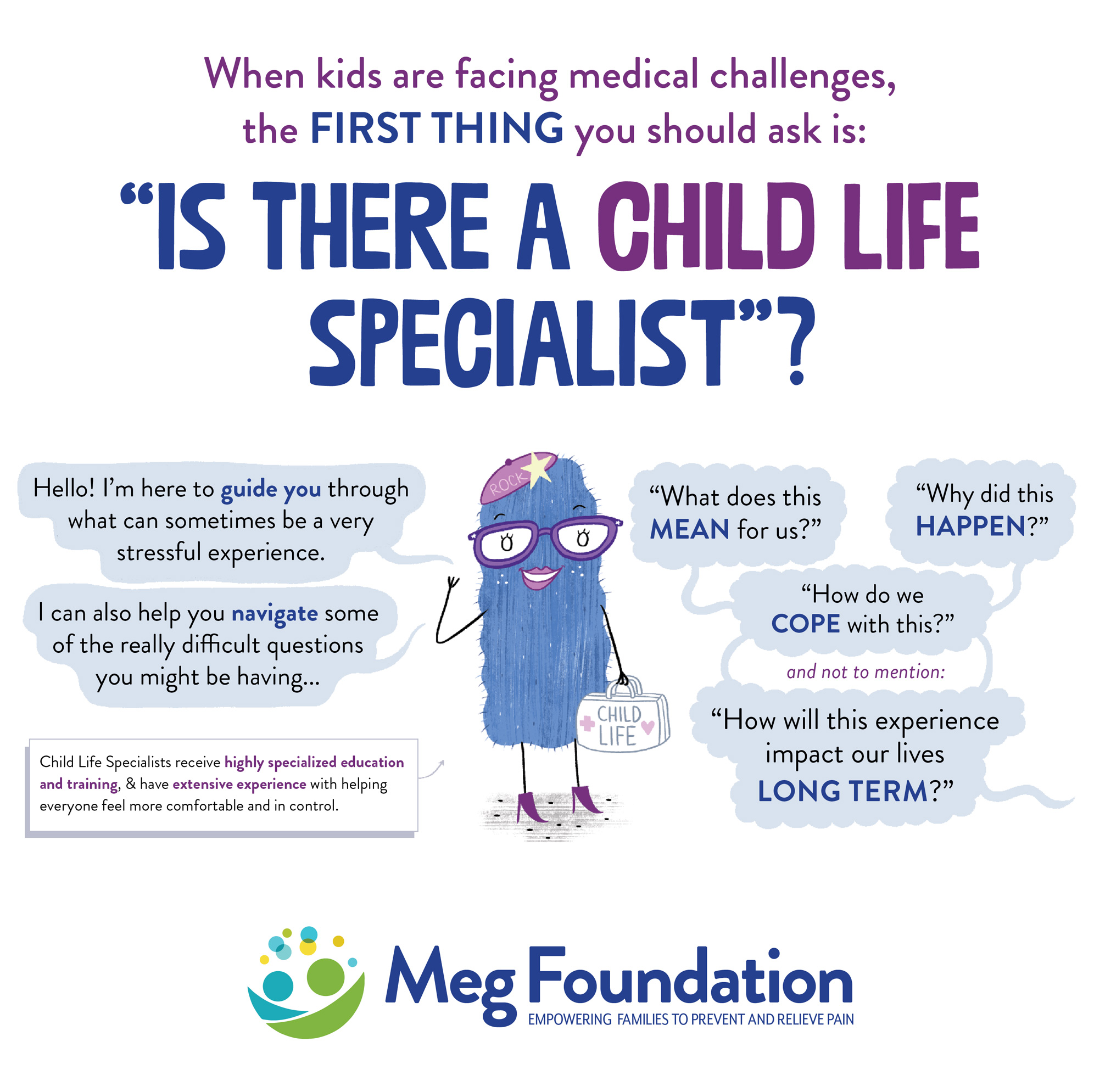
Want a version of this for your office? Download the printable poster!
What does a Child Life Specialist actually do?
Here's the thing: pain is biopsychosocial. A child's experience of pain is shaped not only by what's happening in their body, but by fear, anxiety, expectations, the environment around them, and their sense of control over what is happening. Distress, anxious anticipation and uncertainty amplify pain. Preparation, coping skills, and emotional regulation reduce it. This isn't just theory or a nice idea — it's well-established science.
At Inova Children's Hospital, Child Life isn't treated as an add-on or a nice-to-have. It's embedded into the architecture of pediatric care — shaping how the medical team prepares, delivers, and evaluates treatment from the very beginning. Child Life Specialists aren't working around the edges of medicine. They're influencing it at the center.
That's what it looks like when a health system recognizes that emotional safety is clinical safety.
So what actually happens when Child Life is part of the team?
Better care. Full stop.
Developmentally appropriate preparation — like explaining an MRI to a 6-year-old differently than to a 14-year-old, and giving them coping tools before they need them — reduces procedural anxiety and improves cooperation. At Inova, Child Life Specialists provide hands-on education during pre-op visits, procedure support during bloodwork and echocardiograms, and post-procedural processing after surgery. In the cardiac program alone, Child Life is integrated from the moment a family learns their child needs surgery through recovery and beyond.
The result? Smoother procedures, better communication between providers and families, calmer patients, and safer care delivery. Because safety isn't just physical. It's emotional — and it's a foundation for healing.
Less pain — literally.
Pain science consistently shows that anxiety amplifies how the brain processes pain signals. Strategies like distraction, guided imagery, self regulation skills, and preparation measurably reduce reported pain scores in children.
When Child Life changes the emotional context of care, the child's brain literally processes the experience differently. Less threat signal means less pain. That's not a metaphor — it's neuroscience.

Even though it’s probably the most universal human experience, most of us can’t really answer the question “What is pain?” Read our four-part series breaking down how pain actually works in the brain, why fear and anxiety make it worse, and what we can do about it.
Shorter stays, faster recovery.
Psychological distress is linked to longer recovery times. When procedures and the treatment process go more smoothly and trauma is minimized, children recover faster and go home sooner. Integrated Child Life isn't just compassionate care — it's effective care. Those two things aren't in tension with each other.
Less sedation. More empowerment.
Here's a concrete outcome: when children are coached, supported, and emotionally regulated before and during procedures, many can complete imaging and minor procedures without sedation that might otherwise have been required. These services have been proven to help children through procedures with less need for sedation and less pain — ultimately helping children heal and go home more quickly.
That reduces medical risk. It reduces cost. And it gives kids something powerful: the experience of getting through something hard with their own coping tools. That's not a soft outcome — it's the kind of self-efficacy that changes how a child approaches their next medical encounter. (And their next one. And the one after that.)
Breaking the cycle of medical trauma.
Unmanaged pain and fear in childhood can shape lifelong healthcare avoidance. Needle fear and anxiety influence healthcare decisions for 63% of kids, 50% of teens, and 25% of adults. We see it in adults who skip routine care, delay treatment, or experience panic at the thought of a blood draw — often traceable to a childhood medical experience that went badly. That fear doesn't age out. It follows people into adulthood and quietly shapes whether they get that recommended blood test, have that unusual mole checked, do that annual physical or show up for a vaccine.
By proactively addressing anxiety and giving children a sense of control where possible, integrated Child Life care interrupts that trajectory before it starts. This isn't a "soft" goal. It's preventive medicine on a timeline measured in decades.

Can holding children down for shots traumatize them? Health psychologists say yes. While science and best practice guidelines from top medical organizations clearly say holding down kids is a very bad idea, it still happens every single day.
Higher satisfaction and trust.
Families notice when a team is working together. They see the communication. They sense the coordination. They notice when their child is being cared for as a whole person, not just a set of symptoms. That recognition builds trust — and trust is what drives follow-through on treatment plans and willingness to return for care when it's needed. It's better quality care that is easier for everyone involved.
Stronger teams, less burnout.
Healthcare worker burnout is strongly tied to repeated exposure to high-distress situations — like watching children suffer without adequate tools to help. There's a meaningful difference between ending your shift having watched a child spiral through a procedure and ending it having watched a child succeed.
Working alongside Child Life allows physicians and nurses to practice at the top of their licenses, confident that the psychosocial dimensions are being expertly handled. That's how you build resilient care teams — with systems that actually reduce the conditions causing burnout.
Inova has built sensory-friendly resources across its care system. Their sensory-friendly program in the emergency department trains staff to modify rooms for children with sensory processing needs: dimmed lighting, soft music, weighted blankets, removal of unnecessary medical equipment from sight. It's the kind of environment that only exists when teams are truly working together across disciplines.
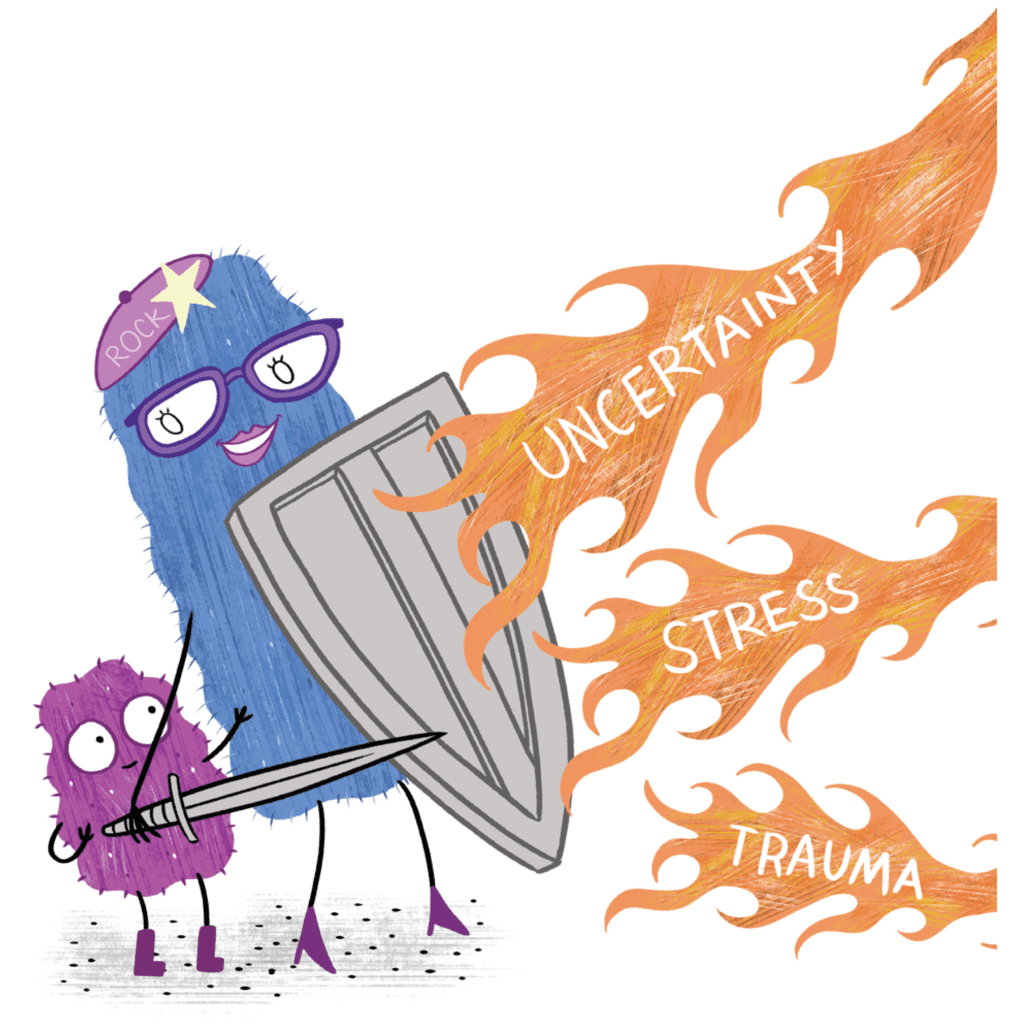
This doesn't happen by accident
None of this is automatic. It happens because leadership at Inova Children's Hospital made a deliberate choice: excellence in pediatric care requires more than clinical precision. It requires integration — not consultation after the fact, but partnership from the very beginning.
Child Life at Inova is valued, trusted, and embedded. That's a leadership decision. And it produces results that families and providers can feel.
It's also a model that works anywhere leadership is willing to invest in it.
What you can do
The Meg Foundation's mission is to prevent and reduce pain through science, empowerment, and practical tools. Integrated Child Life care is that mission in action — happening every day, in real clinical settings, with real families.
If your child has an upcoming medical visit, ask whether Child Life services are available.
If your hospital doesn't have a Child Life program, ask why not. If you work in healthcare, advocate for integration — not as a nice-to-have, but as the clinical standard it should be.
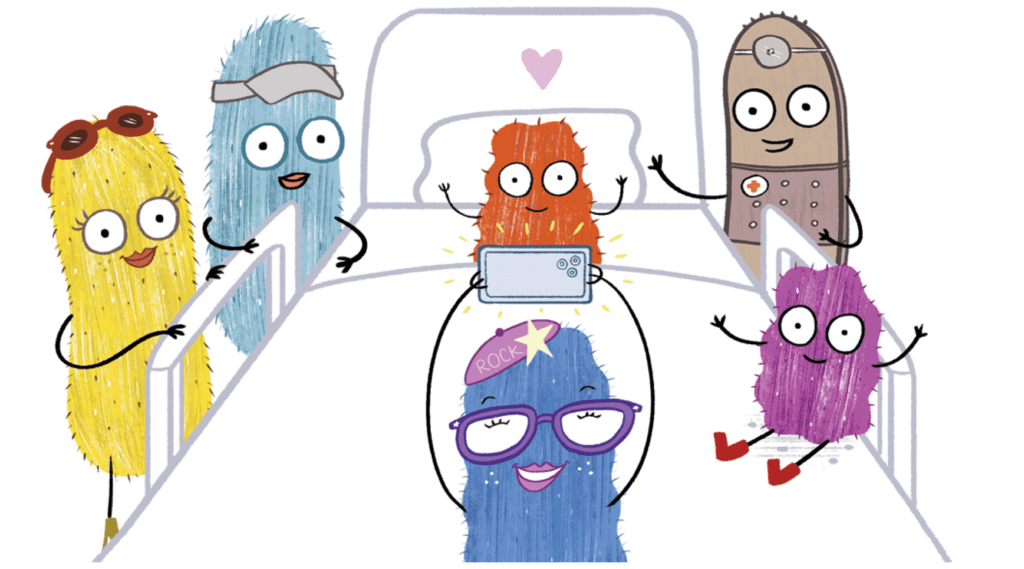
When hospitals invest in fully integrated psychosocial care teams, they don't just add a service. They transform outcomes — better care, safer care, faster recovery, stronger teams. This is what becomes possible when collaboration isn't optional.
Every child deserves to feel safe in healthcare. And when Child Life is valued as essential — not optional — that safety becomes real.
YOU MAY ALSO BE INTERESTED IN
Blog Post
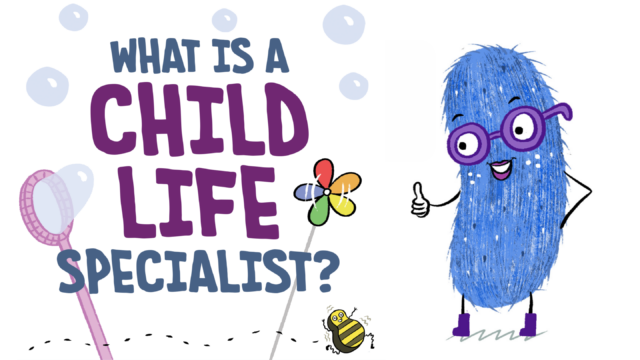
What is a Child Life Specialist and How Do They Help Your Family?
What is a child life specialist? So glad you asked! It’s a question that everyone interested in improving kids’ medical experiences should be asking.
Blog Post
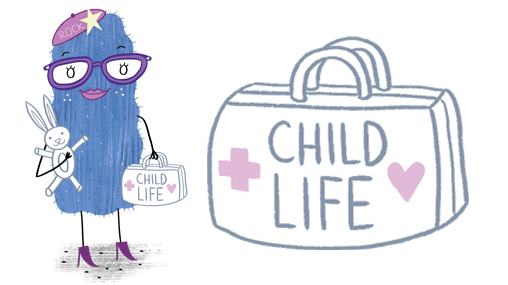
Helping Kids Cope? Yeah, It’s Kinda Our Thing
Child Life Specialists are the undercover superheroes of pediatric healthcare—and when they team up with the Meg Foundation? Let’s just say pain, fear, and anxiety don’t stand a chance.
Podcast
Child Life on Call: Pediatric Pain with the Meg Foundation
Practical tips, expert on advice, and lot of experience in this interview with Dr. Jody Thomas and Child Life Specialist Jamie Gentille on the Child Life On Call podcast.


About the Author
Jamie Gentille received her BS in Biobehavioral Health from Penn State University and her Masters in Public Health from Walden University. She completed her Child Life internship at Children’s Hospital at Dartmouth and became a Certified Child Life Specialist in 2002. She is currently Director of Child Life Services at Inova Children’s Hospital, where she has worked since 2002. Jamie is also an adjunct professor at George Mason University. Jamie also serves as an Ambassador for the Elizabeth Glaser Pediatric AIDS Foundation. She has published a memoir, Surviving HIV: Growing Up a Secret and Being Positive, and is an accomplished speaker on the topic. Jamie lives in Northern Virginia with her husband and beloved dogs, Lucy and Pip.