The Magic Glove
Using imagination and self hypnosis to help kids with pain
Kids (3-11) Blood tests Caring for a port Getting an IV Hypnosis and guided imagery Needle Pokes Numbing creams and sprays Stitches Vaccinations Procedural Pain Blood tests Caring for a port Getting an IV Hypnosis and guided imagery Needle pokes Numbing creams and sprays Stitches Vaccinations Video
Share this: Share this resource on Facebook! Share this resource on Twitter! Share this resource on LinkedIn! Share this resource on Reddit! Share this resource on Pinterest!
About This Resource
Dr. Leora Kuttner is pioneer in the field of pain management. Her demonstration of the Magic Glove technique is great example of the amazing capacity of imagination and the mind to bring comfort. The Magic Glove is a hypnotic pain management technique to reduce pain sensation and anxiety for children having a needle procedure.
Kids have amazing imaginations and hypnosis is widely used to ease pain during medical procedures. In responsive children the Magic Glove can create significant sensory changes and partial anesthesia, which can boost a child’s confidence and comfort in the ability to cope with painful and fearful procedures. This short film with 9-year old Jazze who has needle phobia, demonstrates how to use the Magic Glove. Through her focused attention, the child experiences the glove being smoothed into her hand from finger-tips up to wrist– demarcating the area in which decreased sensory awareness and numbness occurs. It is important to ‘take off the glove’ i.e. reverse the application when the procedure is over to ensure that normal sensation returns.
Who Is This For
- Children 3 to 12 years old, (a fearful 14 year-old may also be responsive) with language adjusted to the developmental age of the child
- Blood tests, IV starts, vaccinations, sutures, port-a-cath access, • Use on hands, arms, feet, legs, but can be used on any body area as a ‘blankey’, patch, hat, sock, stocking etc
- Use with topical anesthetics such as EMLA . Apply the glove once the topical anesthetics has taken effect i.e. for EMLA, after 75 min
Video
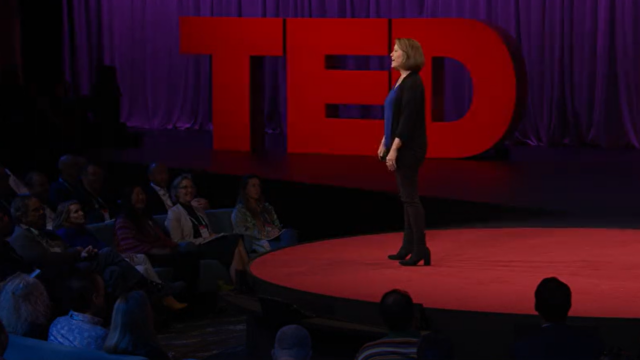
How to hack your brain when you're in pain
"Have we misunderstood pain?" Researcher and physician Amy Baxter unravels the symphony of connections that send pain from your body to your brain, explaining practical neuroscience hacks to quickly block those signals. Her groundbreaking research offers alternatives for immediate pain relief — without the need for addictive opioids.
Video
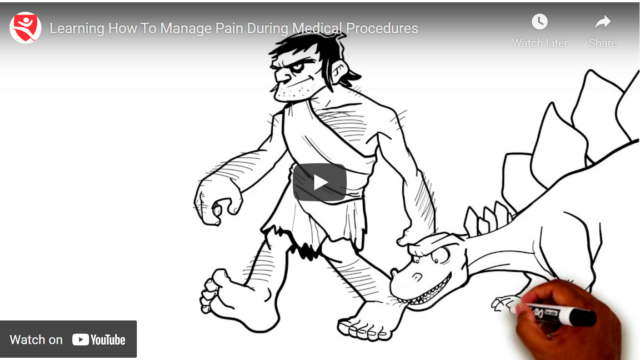
Be The Boss Of Your Brain
Learn how to manage pain during medical procedures with this video from Stanford Children's Health.
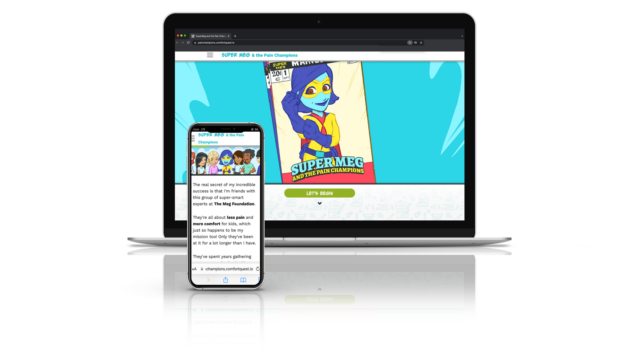
A Note About Keeping This Free
Good pain care should be a right, not a privilege.
We’ve spent our careers treating pain and medical anxiety, and we know that comfort and control come from putting the power where it belongs: in your hands. Everything here is free and open source by design. No parent should have to pay to learn how to get their child through a vaccine or a bad headache. No provider should have to hunt for what they need to do their job well. Hundreds of thousands of people have used Meg tools, and not one of them has ever been asked to pay.
But free still costs something.
We rely on the generosity of people like you to keep it that way. It takes about 1 in 30 of us, each giving $15 a month, to keep these tools available for free. If they helped you and you’re able, $15 a month keeps these resources available the next time you or another family need them.
Thanks for being here. Whether you are able to give or not, I’m so grateful a kid somewhere has you in their corner.
— Dr. Jody, Founder and CEO
Monthly. Cancel anytime.
Or give once, any amount.
Meg Foundation is a 501(c)(3). Gifts are tax-deductible. Secure Givebutter checkout.