My child keeps having headaches — what the heck do I do?
Your step-by-step guide for what to do about your child's headaches—when to worry, when to wait, and what actually helps.

Red Flags
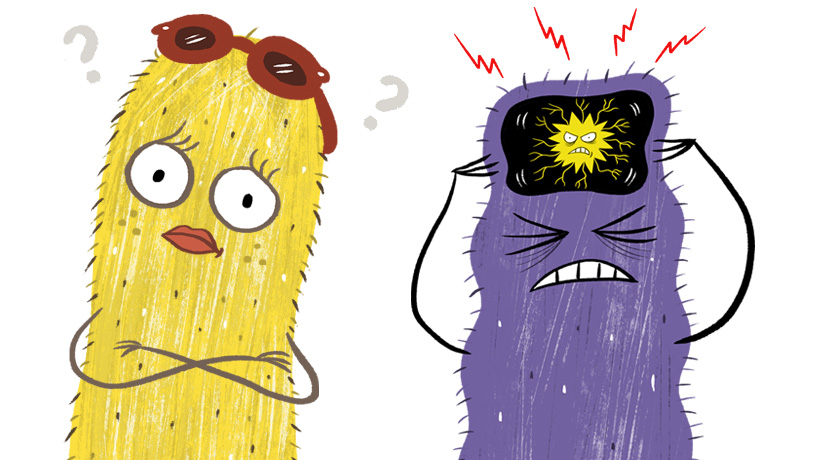
We know you want to know, “When should I freak out?” The quick answer: Almost never.
Most of the time headaches aren’t an emergency, and they are incredibly common during childhood. It’s really only an issue when it starts to interfere with daily life.
However, in rare cases, headaches WITH specific other symptoms can be more worrisome. Because we know you’re going to ask, here are reasons to get care asap. If your child has any of these symptoms, definitely talk to their doctor right away. If you can’t reach your child’s doctor or are really worried, take your child to an emergency department. Otherwise, take a sigh of relief and go on to step 2!
Signs you need to get care urgently:
- The headaches are waking them up during the night.
- Complaints about trouble seeing, and/or blurry vision.
- If your child’s balance is off, or they seem to have weakness in an arm or a leg.
- Vomiting during the night when they have a headache.
- Fevers, weight loss, seizures, or other new concerns.
Track
Patterns are key to identifying headache triggers and the right treatment.
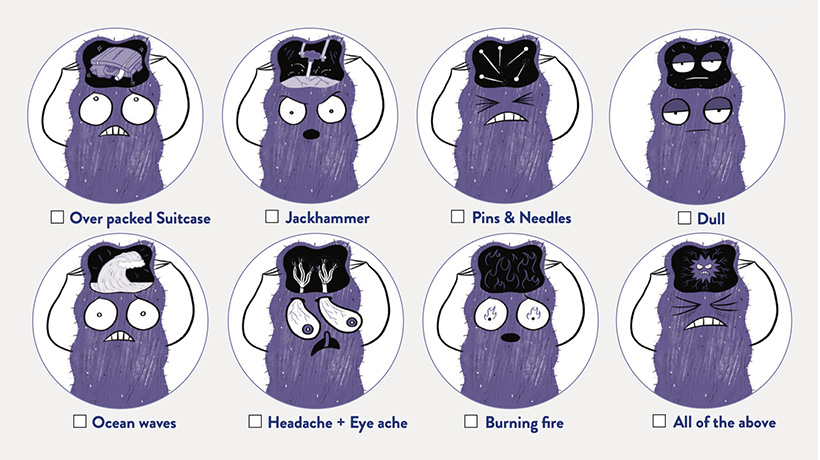
Improving headaches is all about finding patterns, so let’s start gathering some data! This symptom checklist can help your child better describe their pain experience. Check out our handy headache diary to find the important information you should keep track of to work with your doctor and find the best path forward. This includes things like how often they happen, how long they last, what helps, and what makes things worse.
Genetics play a huge role in who gets headaches and what kind of treatment works for them. If a kid has headaches, then usually at least one parent and other extended family members do too. You can use this family history worksheet to make a list of relatives that get headaches and any treatments that have worked well for them (since it might mean that those treatments would work well for you kiddo too).
This information empowers you to start noticing what factors influence you/your child’s headaches and finding what can change to get everyone feeling better. It also helps set you up for a much more productive conversation with your medical team!
What To Say To Your Kids
Kind of like a detective, we are going to start gathering clues about what we notice about what is going on around the times you get headaches. This is going to help us figure out what we can do to help you feel better.
What To Say To Your Doctor
We've been tracking symptoms using a headache diary, and also did a family history. Hopefully this information can help us have a good conversation about where to start to help (your kiddo's name here!) feel better.
Learn
Knowledge is power! Understanding the types of headaches that kids get and they many things that can be done to make them better is really helpful.
- Learn the basics: This amazing Headache Explainer Comic is a great intro to how headaches work, what can help, and how to take more control.
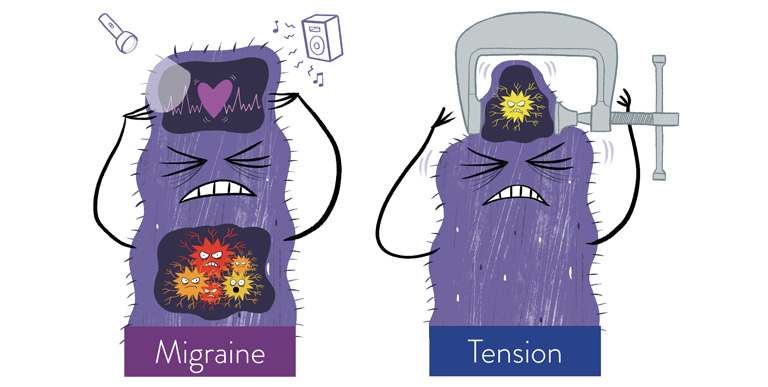
- Figure out your type: Most headaches that get our attention as parents are migraine headaches. Use this guide to determine if your child’s headaches sound like migraine or might be tension-type headaches.
- Take action: While it it true that genetics play a big role is headaches, there are many things we can do that impact how often we get them, and how fast we can feel better. This Headache Strategy Guide is a great overview. Keep scrolling to discover what can make a difference in your situation.
What To Say To Your Kids
I've been learning about these headaches, and the great news is that it turns our there are a lot of things we can do to help prevent them from happening, and to help you feel better faster when you get them. That doesn't mean that the headaches are your fault in any way, but it's great to know there are things we can control to help make things better. Every person is different, so together we are going to figure out what works best for you.
Sleep
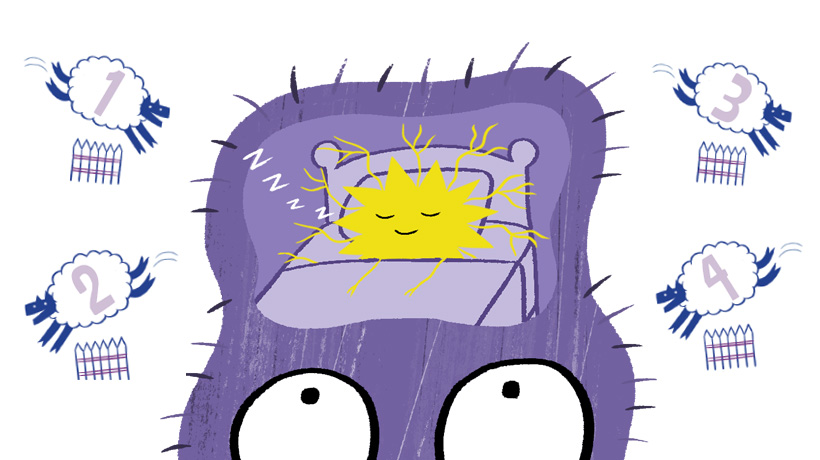
Don’t underestimate the amazing power of sleep to keep prevent and help recover from headaches. The key to improved sleep: remember that our brains LOVE consistency.
- Keep your routine the same from day to day: go to bed at the same time each night and wake up at the same time each morning.
- Keep screens out of the bedroom (we know, we know…you don’t like this one, but the research is clear it is SO important for quality sleep!).
- Develop a relaxing routine for 30 to 60 minutes before bedtime each night (and yep, no screens again during this time).
- Keep active during the day, and avoid naps (especially in the afternoon).
For more tips and and how-to’s, check out our Guide to Healthy Sleep.
What To Say To Your Kids
It turns out your sleep is a big factor in how often you are getting headaches! We are going to make a few changes to the routine to make sure you are getting even better sleep and feel better during the day.
Hydrate
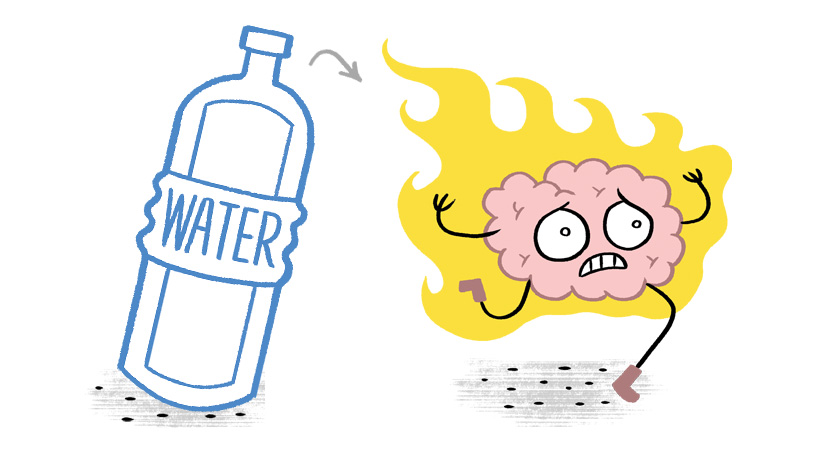
Dehydration is a MAJOR trigger for headaches, so keep that water bottle close!
It’s cheap, it’s easy, and WOW is it effective. Just drinking more water can make a big difference. Building a new habit can be a simple as making sure kids are drinking a few glasses of water at each meal, and having a water bottle around during the day.
- Aim to drink at least 64 ounces each day (more if you’re exercising a lot!). Water is best.
- Try to avoid caffeinated drinks, soda, and anything with too much sugar (which can be another trigger!). Limit caffeine intake to 1 to 2 times per week or less.
Eat
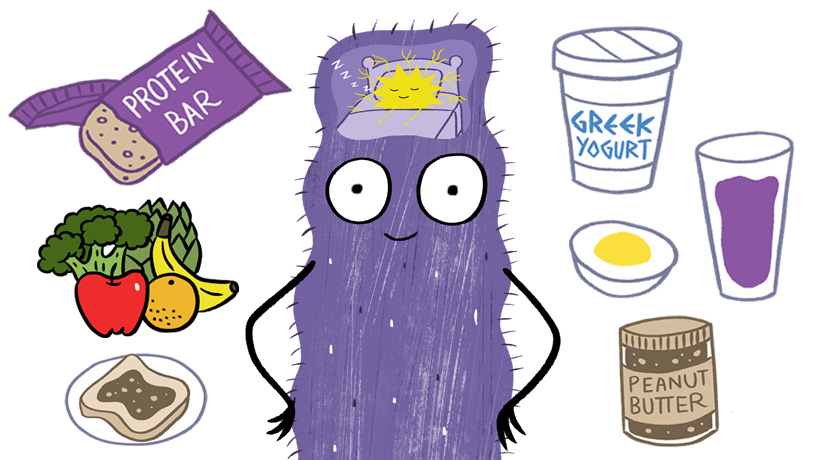
Again, consistency is key! The goal is to avoid blood sugar highs and lows, which can trigger headaches.
- Eat at the same times each day and don’t skip meals. Going too long without eating stresses your body. Snacking can sometimes be helpful instead of big meals.
- What you eat matters. Highly processed and high sugar foods can cause big spikes and drops in blood sugar, which can trigger headaches. Protein and fiber (which create steadier blood sugar) are your friends.
- Pay attention to what you ate before you noticed your headache, so you can learn what might not be good for you or your child. Some foods can be headache triggers.
What To Say To Your Kids
Part of our detective work of figuring out your headaches is paying attention to what you are eating. There are some foods that can help prevent headaches and some foods that can actually cause headaches. We can start by making sure you having healthy food throughout the day and not skipping meals or waiting too long to eat.
Move
Exercise is also important to headache management. It releases endorphins, our bodies’ “feel good” hormones that decrease pain and stress.
It may seem surprising to talk about exercise when you’re in pain, but research clearly shows that regular movement is a key part of preventing headaches.
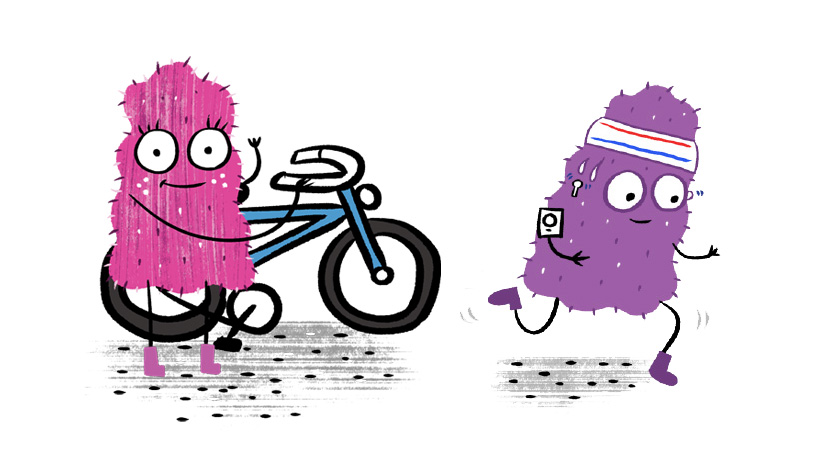
- It doesn’t have to be hardcore. Exercises like swimming, biking, walking, or yoga are good ways to start.
- Learn the art of taking breaks, but balance it with the art of sticking to it! What docs call “pacing” is finding the “sweet spot” of doing enough to make progress but not pushing too hard.
- Find the fun! Doing something you/your child actually likes to do makes it much easier to get moving.
- Buddy up. Exercising with someone else can make it more fun, and more likely a new moving habit sticks.
Check out this Guide to Functioning with Chronic Pain to learn more about why it is key and specific strategies for how you can do it.
Chill out
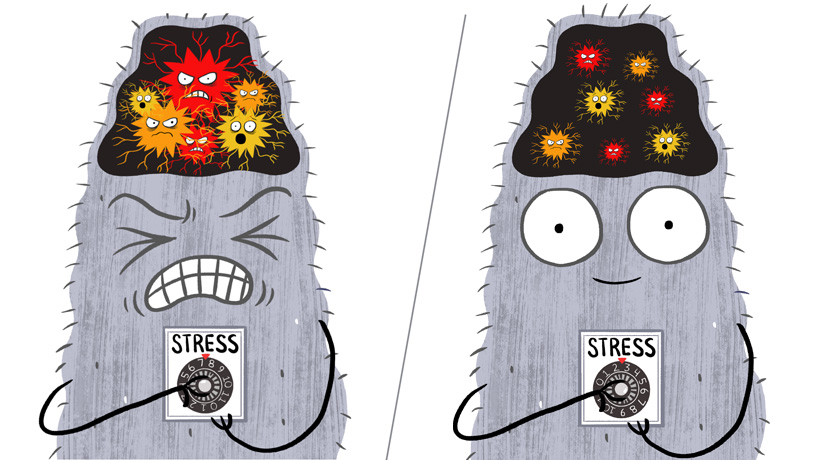
Learning to manage stress tops the list of important skills for preventing headaches.
Feeling stressed is a normal part of life, but for those of us prone to headaches, it is also a major trigger. The good news? Just like you can strengthen your arm muscles by lifting weights, you can train your brain to get better at relaxation.
- Find a practice that you like and enjoy! Breathing exercises, progressive muscle relaxation, guided imagery, and self hypnosis are all shown to be helpful. If you’d like a good place to start, ImaginAction is a favorite free resource for building your self regulation skills
- Set aside time to practice each day. Putting it on your schedule at the same time every day is best way to build a good habit.
- Consider connecting with nature. Taking a walk or just spending time outside is also a great way to regulate our bodies and control stress.
What To Say To Your Kids
Stress makes pain worse, and being in pain naturally makes us feel stressed. To get your headaches under control, we want to work on breaking that cycle so you can feel better. Let's explore some things you can do that can help you feel more calm and in control.
Get Help
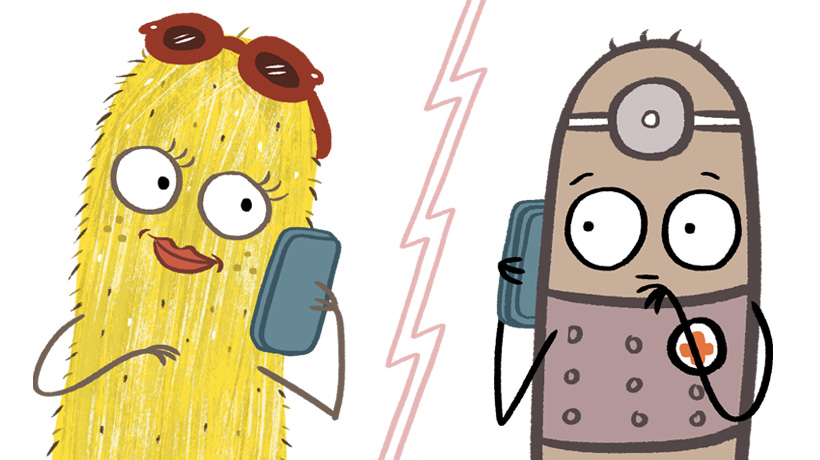
Schedule an appointment to talk about headaches.
If you’ve done the steps above and your child still has headaches once a week or more, and/or is missing school or other activities due to headaches, make an appointment to see your child’s doctor.
Pro tip: Headache needs its own appointment! Make an appointment to specifically talk about headaches. Good headache management takes time. Your child’s doctor needs a separate appointment to really hear your concerns and make a management plan. For this reason, it’s not a good idea to just add it on to your child’s annual well child check appointment.
What To Say To Your Doctor
My child is having frequent headaches and is missing school and/or activities. It's really affecting their life. I would like to schedule an appointment to talk about what we can do.
Prepare
Information is power! Let's make sure you have what you need to find the best path forward.
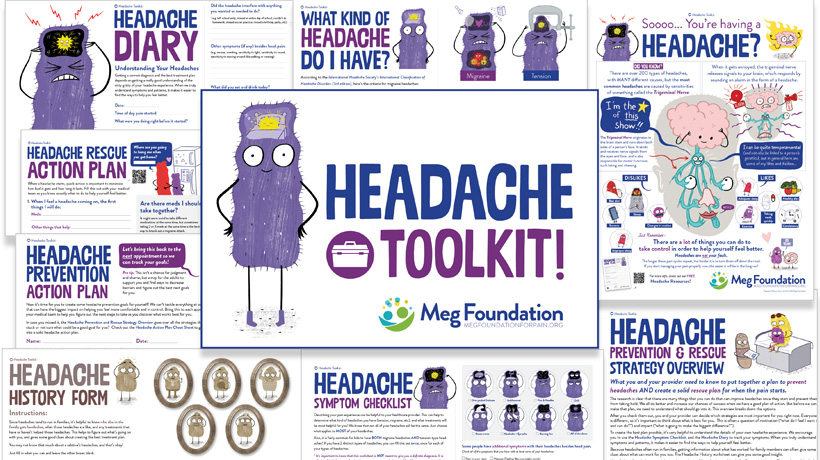
Bringing the right info is key to making the appointment as successful as possible. Knowing what do to next is the best way to start feeling more in control. You can find all you need to do both in our Headache Toolkit.
- Bring your child’s headache symptom checklist, the headache diary, and the family history form with you.
- Write down any specific questions or concerns that you have ahead of time. This helps make sure you’re getting all the information you want.
- Get ready to make a plan of action. To see good improvement in headaches you will need to work closely with your child’s doctor, especially in the first few months. It’s important to have a clear follow-up plan in place. Before leaving the appointment, make sure that you know what your child’s doctor wants you to do 1) to prevent headaches from happening and 2) to treat (or rescue) when your child has a headache. You can create your own personalized Prevention Action Plan and Rescue Action Plan with our handy worksheets.
- Schedule a follow-up appointment so that you can discuss how things are going, what’s working, and what might need adjustment. Three months is often a good timeframe, but don’t be afraid to get in touch sooner if things are getting worse.
- Set realistic expectations: Headaches can be complicated, and seeing the results we want can take some time. Finding the right combination of strategies that works in your situation can take some experimenting. It might require some patience, but things can definitely get better!
What To Say To Your Doctor
Can you help us fill out these action plans? I want to know what I should be doing to prevent headaches, and make sure we are clear on the best way to handle it when my kid gets a headache.
Has this guide been helpful?
Free guides like this one are possible because of supporters like you. If this helped your family, consider donating so we can keep creating resources that make pain more manageable for kids everywhere.
Donate to the Meg Foundation