Headache Toolkit
A complete set of resources to help kids, families, and providers understand and manage headaches together.
Kids (3-11) Tweens & Teens (12+) Breathing and calming Everyday life and routines Flares and bad days Getting a diagnosis Head and face Headache and migraine Healthcare Providers How pain works Living with ongoing pain Medication Movement and physical therapy Pain at school Pain psychologists Sleep Talking with your care team Chronic Pain Procedural Pain Breathing and calming Everyday life and routines Flares and bad days Getting a diagnosis Head and face Headache and migraine How pain works Living with ongoing pain Medication Movement and physical therapy Pain at school Pain Management Pain psychologists Sleep Talking with your care team
Share this: Share this resource on Facebook! Share this resource on Twitter! Share this resource on LinkedIn! Share this resource on Reddit! Share this resource on Pinterest!
Tap Download in the toolbar above to get a copy of the pdf. |
About This Resource
Headaches are one of the most common pain challenges in childhood and we are here to help! This kit is designed to help make it easier for kids and families to find the path for more comfort and control when headaches become a problem.
When headaches start happening more than once in a while and make it hard to do things like go to school, hang out with friends, or participate in favorite activities, it’s time to take action. Tackling something like headaches is a team effort! It takes kids, parents, and medical providers working together to get things under control and set everyone up for success. Everything in this kit is designed to help make it easier to understand, collaborate, communicate, set goals, and most importantly, take action.
How To Use This Resource
Let’s break down what you’ll find in the tool kit, why it’s here, and what you should do with it:
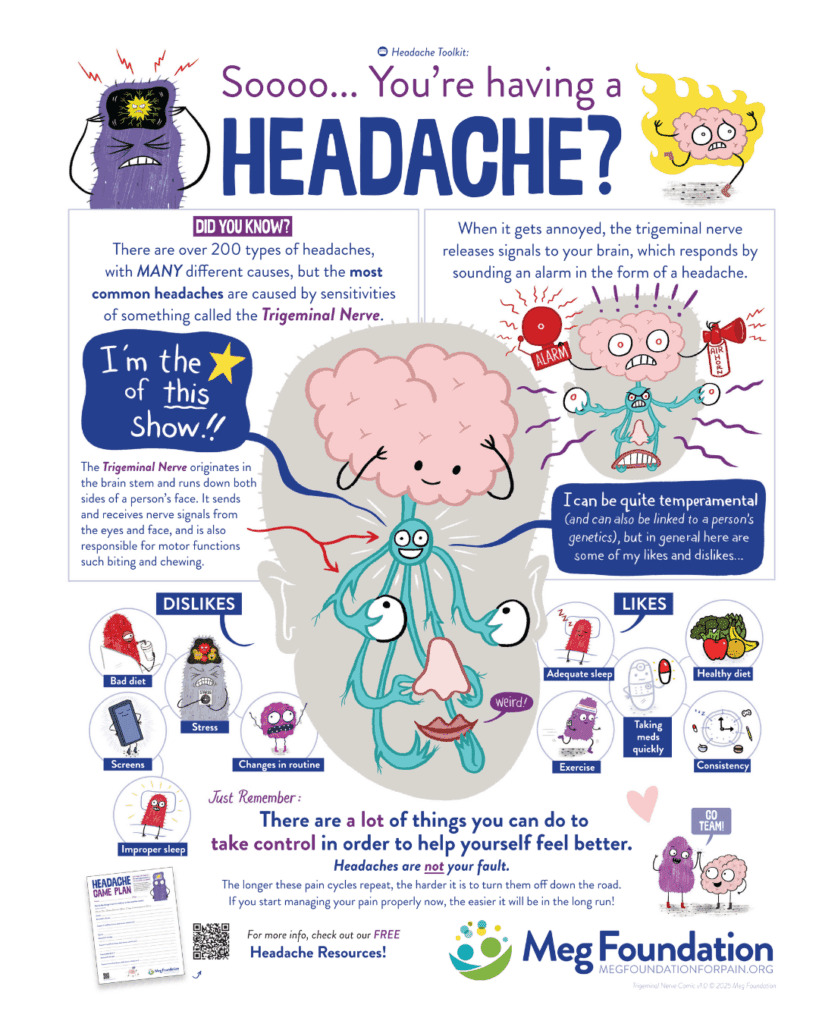
Headache Explainer Comic
Using strong visual images, this comic breaks down the basics of headaches. From the sources to the solutions, you’ll get a overview of how headaches work, and what you can do to feel better. It’s a great introduction to the rest of our headache tools and resources.
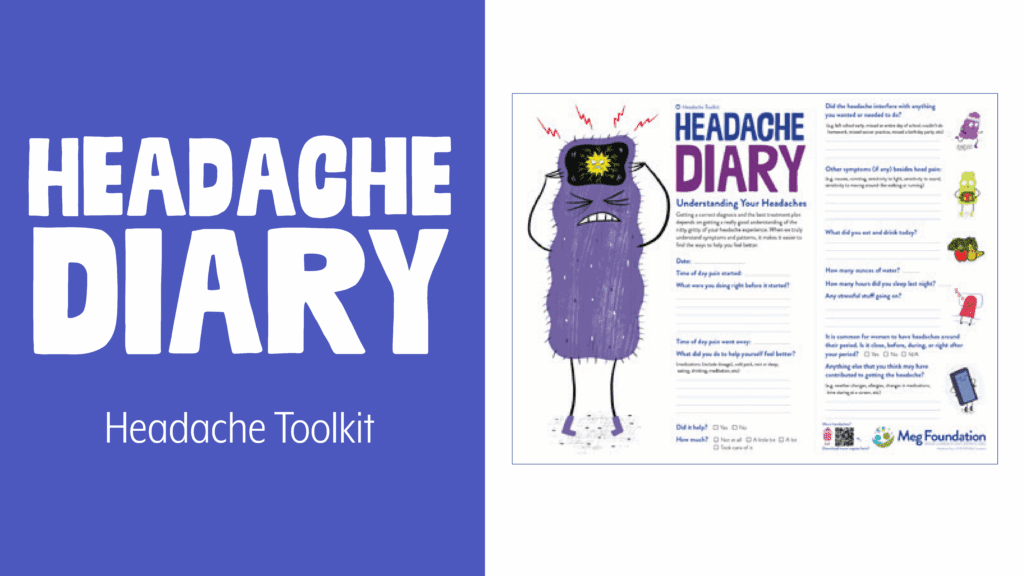
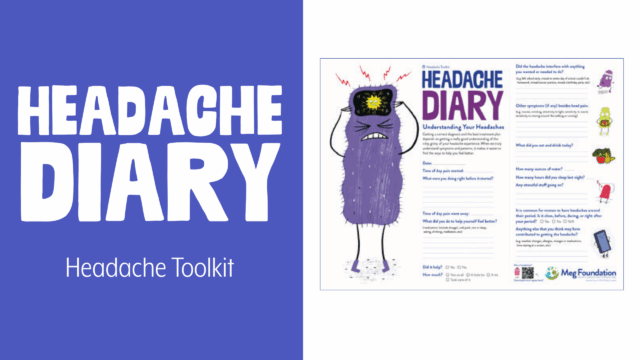
Headache Diary
Getting a correct diagnosis and the best treatment plan depends on understanding the details of your headache experience. When symptoms and patterns are clear, it’s easier to find ways to help you feel better. This worksheet helps you track your experience so you can:
- Better understand yourself
- Have a more productive conversation when you see a medical provider
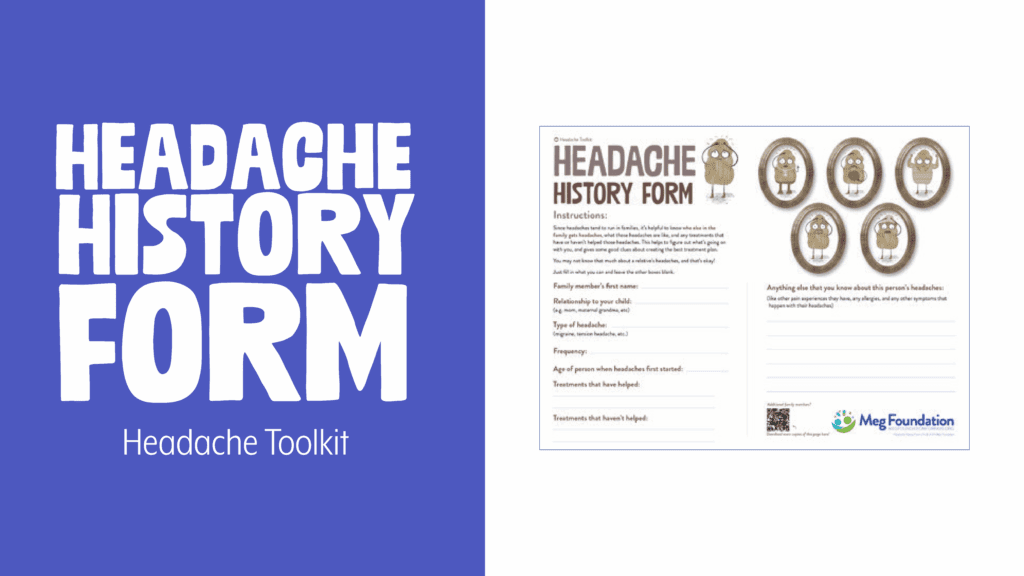
Headache History Form
Since headaches often run in families, it helps to know who else gets them, what those headaches are like, and which treatments have (or haven’t) worked. Tracking this information provides valuable clues for your provider and makes it easier to create the best treatment plan.
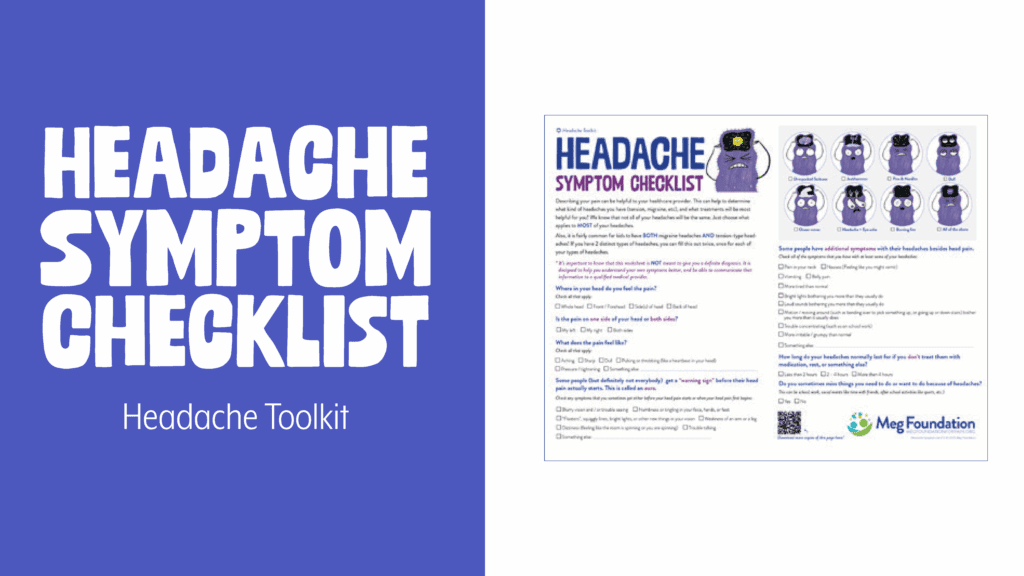
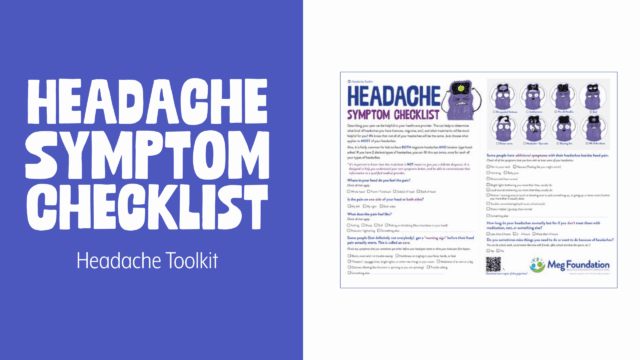
Headache Symptom Checklist
Accurately describing your headache experience is essential for figuring out what type of headaches you have (tension, migraine, etc.) and what treatments could be most helpful. This checklist breaks down your pain into the key details your provider needs to help you.
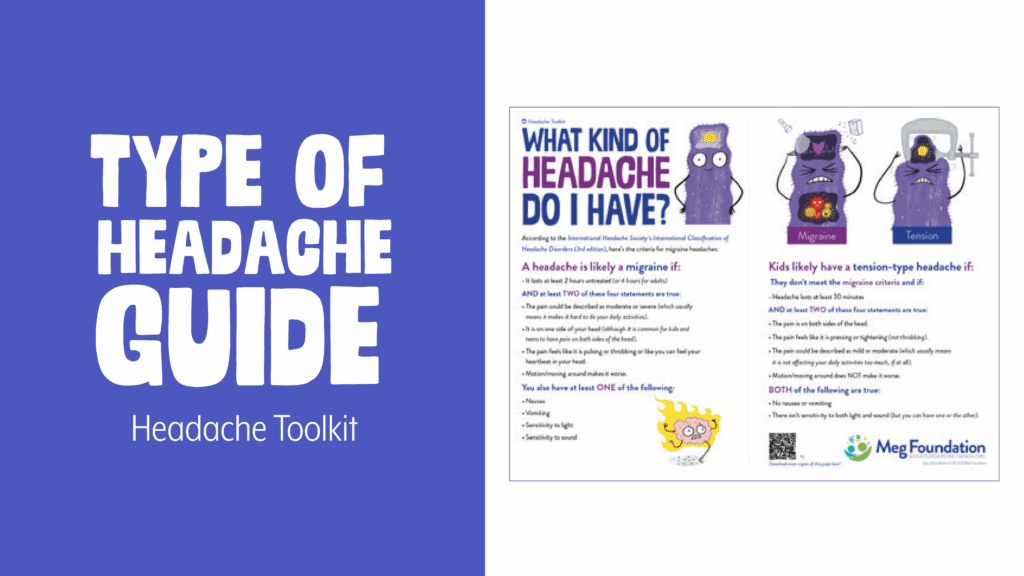
What Kind of Headache Do I Have?
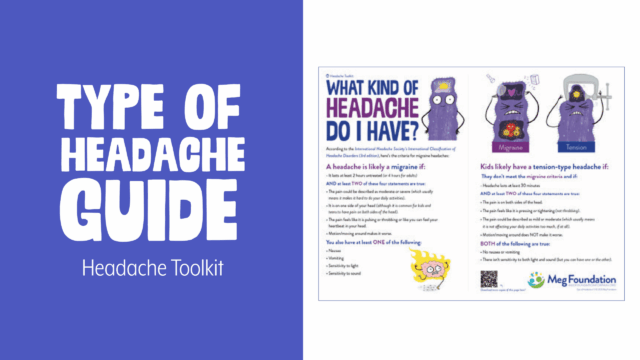
Let’s get technical! This handout translates the clinical criteria for migraines and tension headaches (from the International Classification of Headache Disorders) into clear, everyday language—so you can understand exactly what doctors look for.
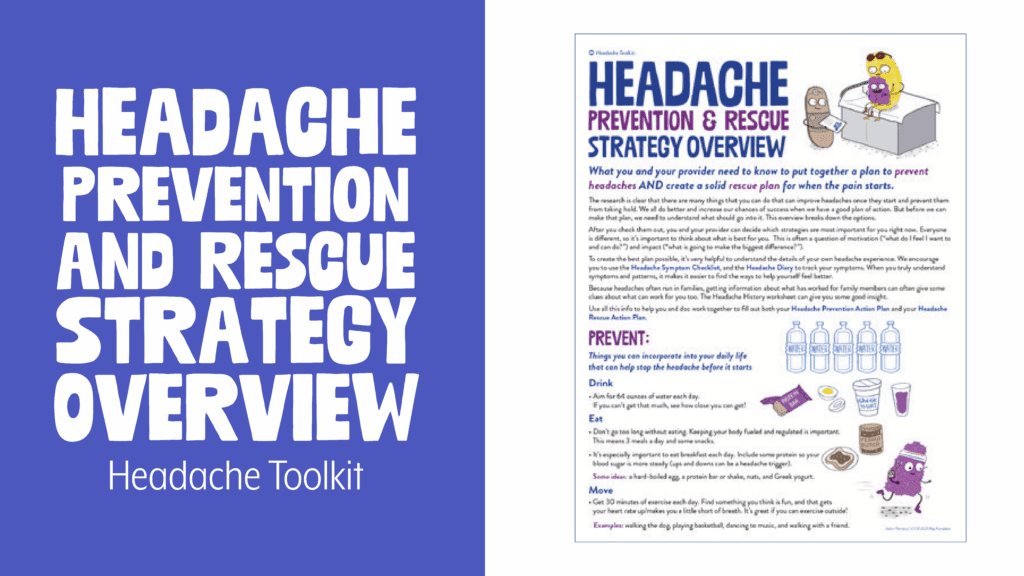
Prevention and Rescue Strategy Overview
With headaches, it’s all about prevention. Research shows that many strategies can improve headaches and keep them from taking hold. A good plan of action increases your chances of success. This overview breaks down the options so you can understand what to include in your plan.
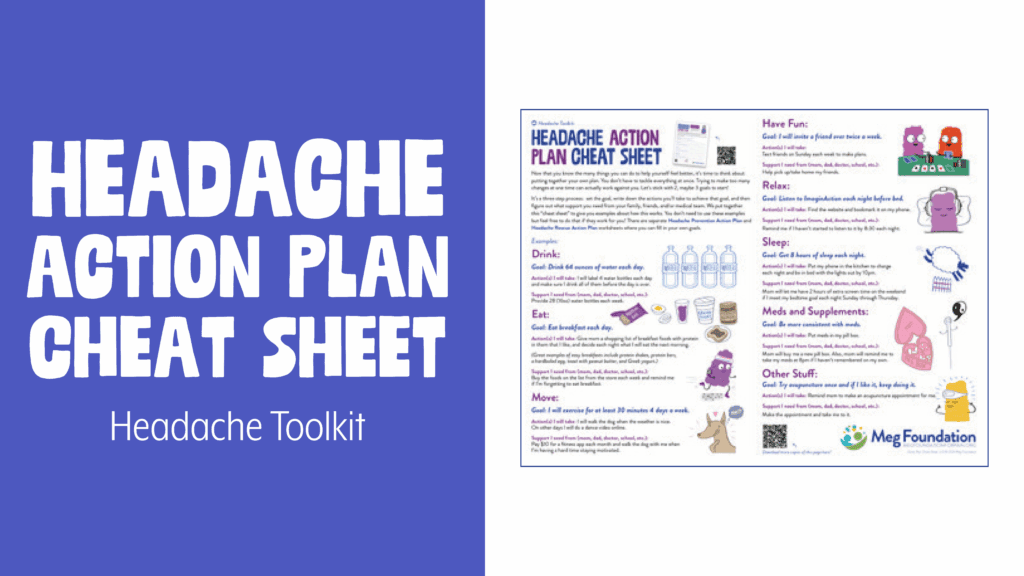
Action Plan Cheat Sheet
Now that you know the many things you can do to help yourself feel better, it’s time to think about your own plan. What does that actually look like? This “cheat sheet” gives you examples of goals you can use as inspiration—or borrow directly—to build your own strategy.
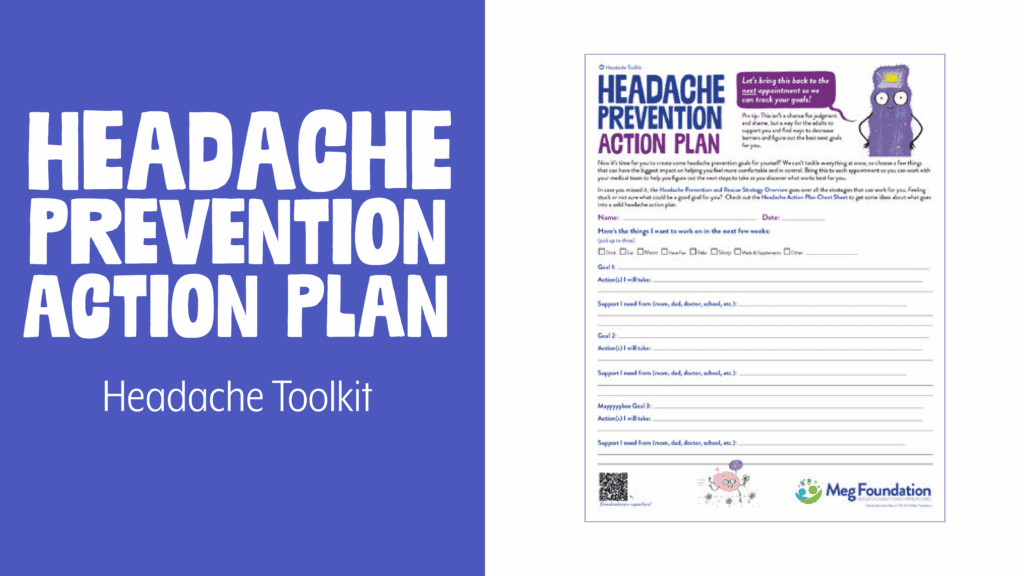
Prevention Action Plan
Now it’s your turn! This worksheet helps you and your medical team set a few prevention goals that can have the biggest impact. Bring it to each appointment so you can track progress and create new goals as things improve.
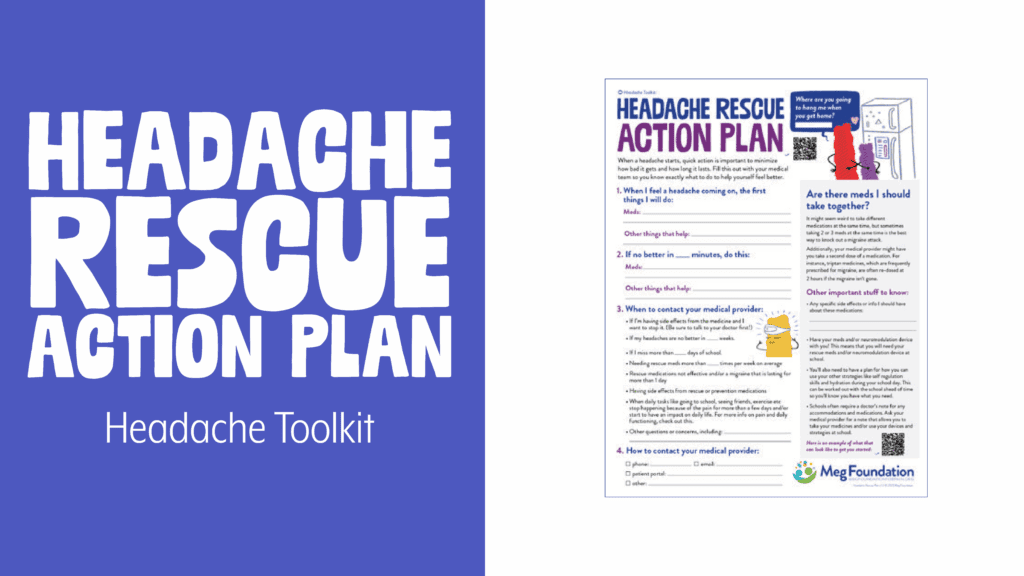
Rescue Action Plan
When a headache starts, quick action matters. This worksheet helps you outline your best plan for relief—medications recommended by your doctor and other strategies that work for you. Fill it out with your provider so everyone is on the same page.
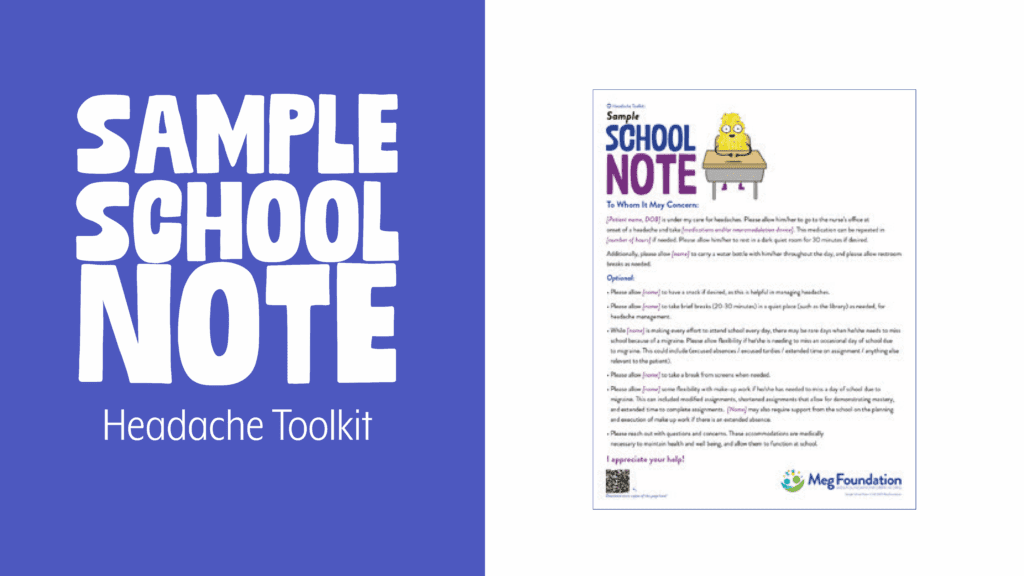
Appendix: Sample School Note
A good game plan also means having a plan for school. Schools often require documentation from a medical provider to support accommodations. This sample note shows the kind of letter your doctor can provide to help your child manage headaches at school.

Do you need help with headaches right away?
All of this lives in one place: the What the Heck Guide for headaches. Your step-by-step guide for what to do about your child’s headaches—when to worry, when to wait, and what actually helps.
Downloads
Sample School Note for Headaches
A sample accommodations letter your doctor can provide to help schools support kids when headaches strike.
Downloads
Headache Rescue Action Plan
Plan what to do when a headache hits, including the medications and strategies your doctor recommends.
Downloads
Type of Headache Guide
The clinical criteria for migraine and tension headaches, translated from doctor speak into plain language.
A Note About Keeping This Free
Good pain care should be a right, not a privilege.
We’ve spent our careers treating pain and medical anxiety, and we know that comfort and control come from putting the power where it belongs: in your hands. Everything here is free and open source by design. No parent should have to pay to learn how to get their child through a vaccine or a bad headache. No provider should have to hunt for what they need to do their job well. Hundreds of thousands of people have used Meg tools, and not one of them has ever been asked to pay.
But free still costs something.
We rely on the generosity of people like you to keep it that way. It takes about 1 in 30 of us, each giving $15 a month, to keep these tools available for free. If they helped you and you’re able, $15 a month keeps these resources available the next time you or another family need them.
Thanks for being here. Whether you are able to give or not, I’m so grateful a kid somewhere has you in their corner.
— Dr. Jody, Founder and CEO
Monthly. Cancel anytime.
Or give once, any amount.
Meg Foundation is a 501(c)(3). Gifts are tax-deductible. Secure Givebutter checkout.