Free Pain Management Tools for School Nurses
Every school nurse knows the 8:05 stomachache and the third headache visit this week.
And the kid with chronic pain who’s just trying to get through the day without falling further behind. You’re often the first, and sometimes the only, health professional these students see, and you’re doing it between vision screenings, medication logs, and a line at the door.
We made these resources for exactly those conversations. They’re free, evidence-based, and built to hand to families or use on the spot.
Here are the questions school nurses ask us most:
- What’s a simple school nurse headache protocol?
- How can school nurses make shots and fingersticks easier for kids?
- Can school nurses help adolescents with chronic pain?
- What free pain resources can school nurses hand to families?
What’s a simple school nurse headache protocol?
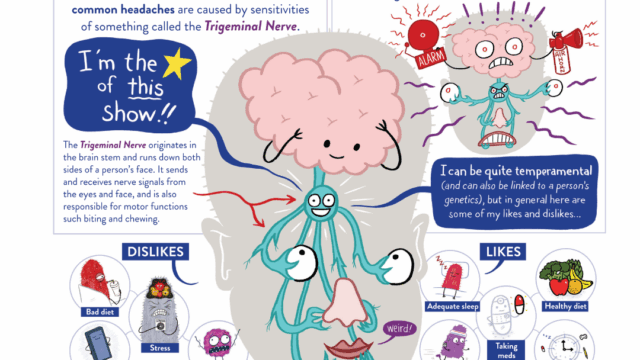
When a student comes in with a headache, a short, consistent protocol does a lot of the work: let them rest in a calm, low-light space for 20 to 30 minutes, offer fluids if they haven’t had enough that day, give any medication per their orders, and validate what they’re feeling and encourage a coping strategy instead of waiting for things to get worse. Most tension headaches ease with rest and water.
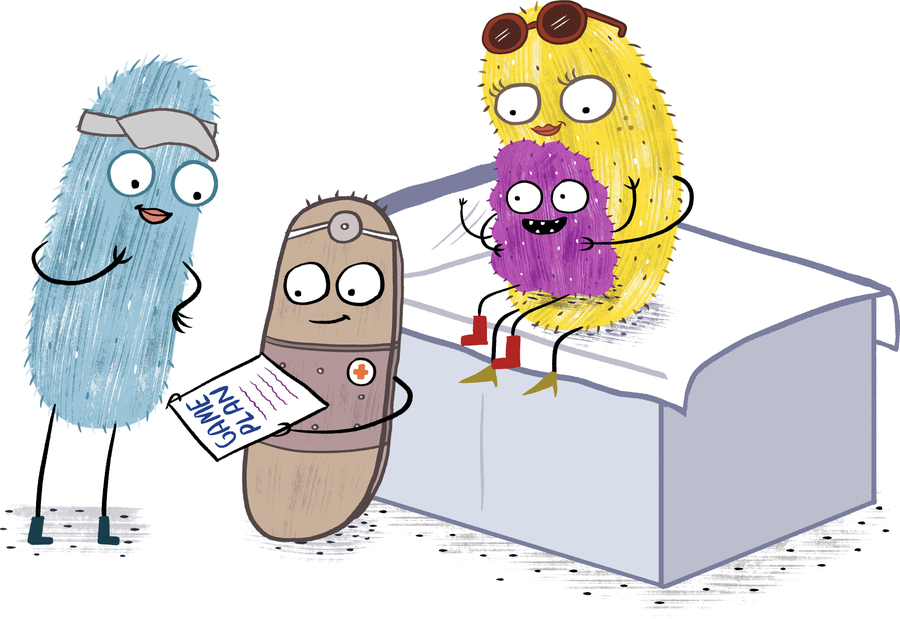
Migraine needs a clear escalation path and a plan agreed on with the family ahead of time. A written headache action plan keeps everyone (you, the family, the teachers, the family’s medical team) on the same page about understanding triggers, encouraging coping skills, timing medication, and making the call for when a student can return to class versus go home. Everyone wants the student in school and functioning as much as possible, and a good game plan makes that more likely and less stressful on you. Our Headache Toolkit has worksheets for creating prevention and rescue headache plans to make that process easier.
Escalate right away for a sudden “worst-ever” headache, a headache after a head injury, fever with a stiff neck, or any vision changes, weakness, or confusion.

A step-by-step guide you can hand to a family — when to worry, when to wait, and what actually helps with headaches.
Downloads
Headache Toolkit
A complete set of resources to help kids, families, and providers understand and manage headaches together.
Downloads
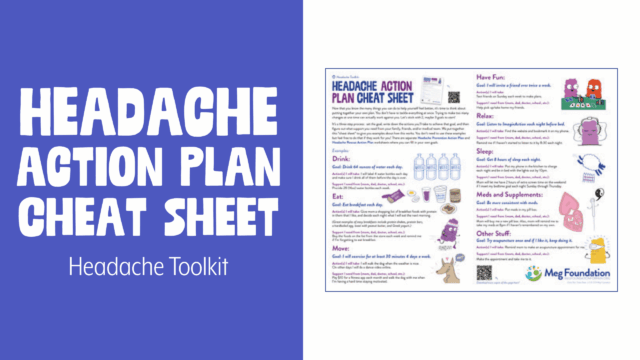
Headache Action Plan Cheat Sheet
See real examples of prevention and rescue goals to help you build a personalized headache plan.
Downloads
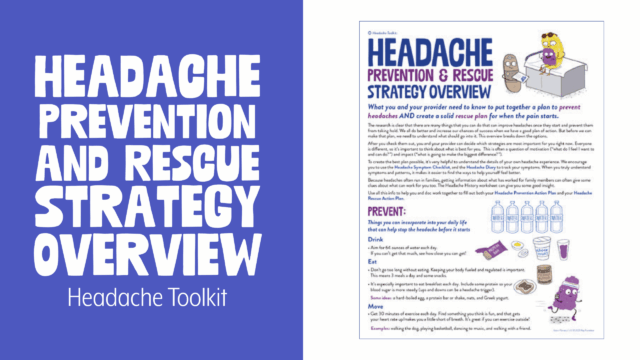
Headache Prevention and Rescue Strategy Overview
An overview of the strategies that prevent and manage headache pain, before you build a plan that fits.
Downloads
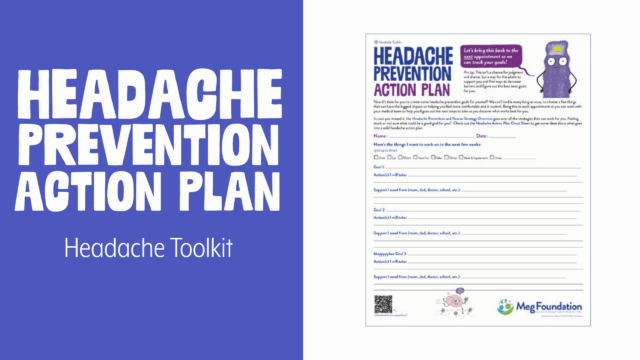
Headache Prevention Action Plan
A worksheet for setting a few prevention goals with your medical team and tracking them at every visit.
Downloads
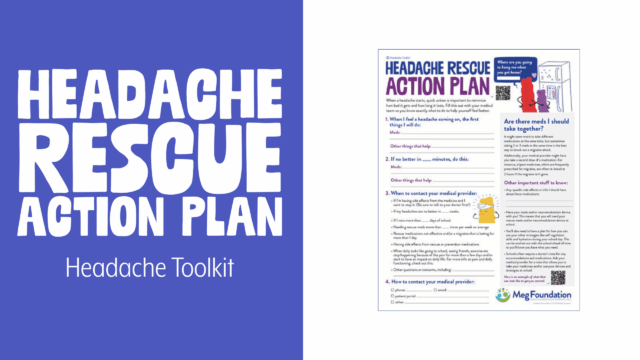
Headache Rescue Action Plan
Plan what to do when a headache hits, including the medications and strategies your doctor recommends.
Downloads
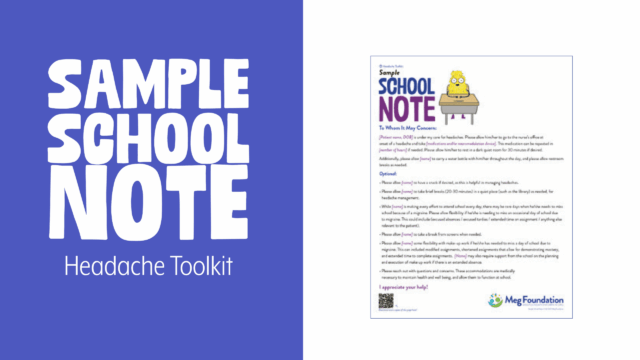
Sample School Note for Headaches
A sample accommodations letter your doctor can provide to help schools support kids when headaches strike.
Downloads
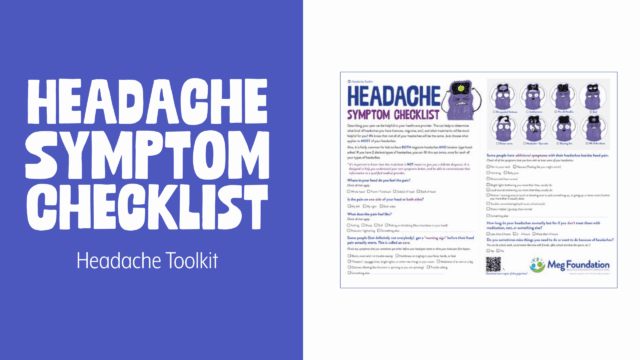
Headache Symptom Checklist
Describe headache pain accurately so your medical team can identify the type and the right treatment.
Downloads
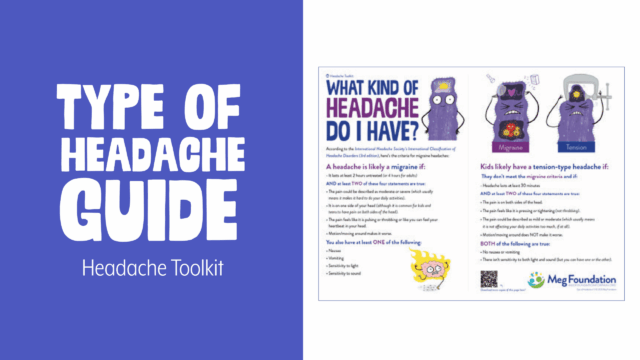
Type of Headache Guide
The clinical criteria for migraine and tension headaches, translated from doctor speak into plain language.
Downloads
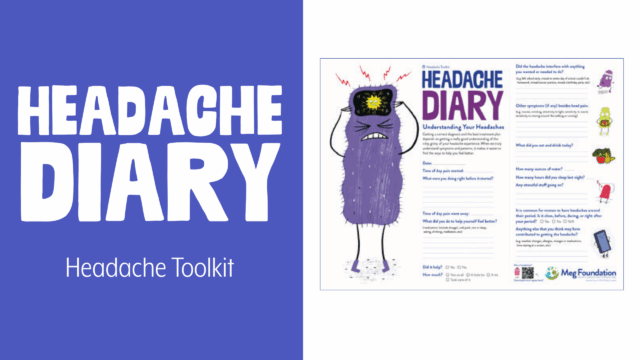
Headache Diary
Track headaches day by day to spot the patterns that make appointments with your doctor more useful.
How can school nurses make shots and fingersticks easier for kids?
No one LIKES needles, and 63% of kids and 50% of teens have significant needle anxiety. Needle procedures are common in a school health office: Finger sticks and insulin for kids with diabetes. Allergy shots. An emergency med when it’s needed. Depending on your district and your state, maybe a flu or vaccine clinic on top of it. For some kids, many of their pokes happen with you, not at the pediatrician’s office.
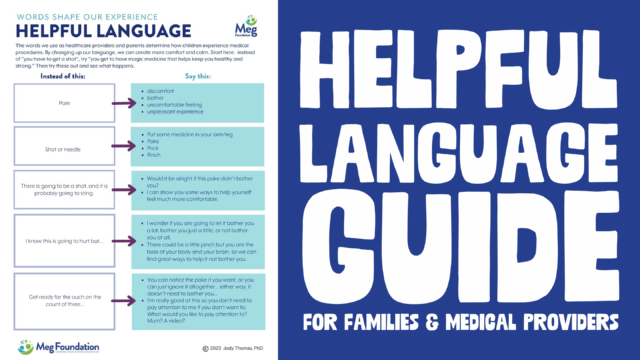
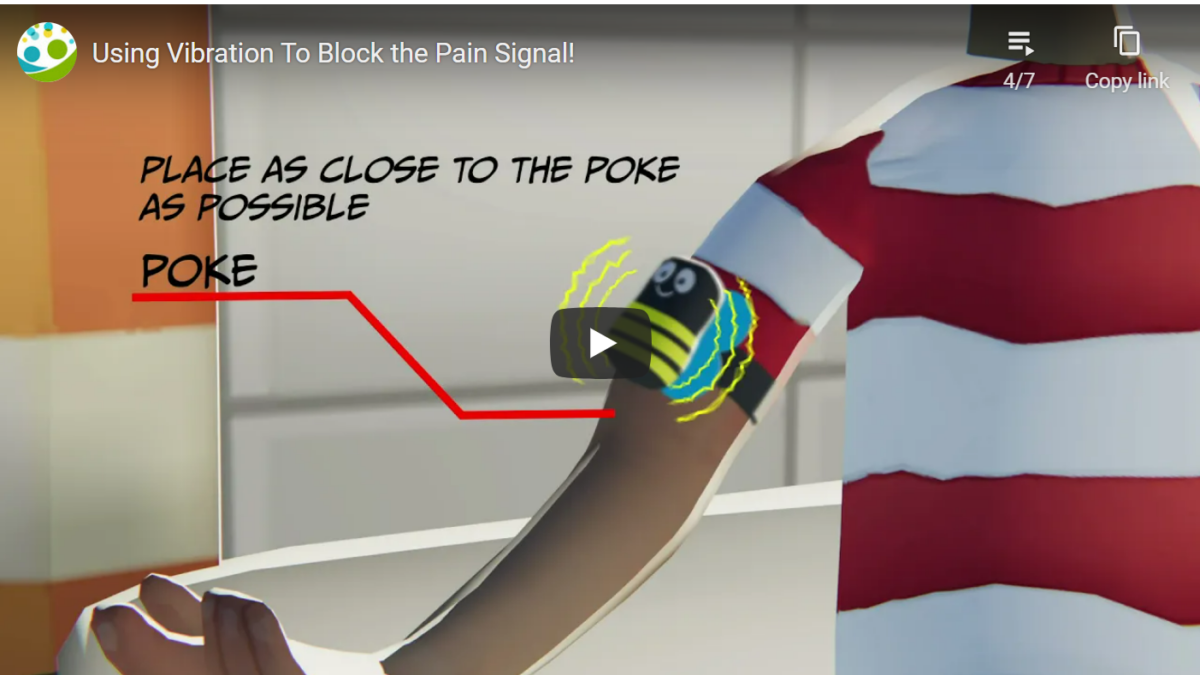
There are simple, effective, evidence based strategies for making needle procedures easier for everyone involved. We’ve put together a set of resources that are game changing, including interactive tech for creating coping plans, downloadable guides, and videos demonstrating how to use strategies like numbing cream, vibration, and deep breathing. They are digitally based so they can be sent to families ahead of time and used in your clinic, because everyone does better with a good game plan.
Downloads
Printable Comfort Poke Plan for Kids
We all do better with a plan! Use this to help kids create one of their very own before their next poke.

Downloads
Printable Take Control Poke Plan for Teens
We all do better with a plan! Use this to help teens create one of their very own before their next poke.
Digital Tool
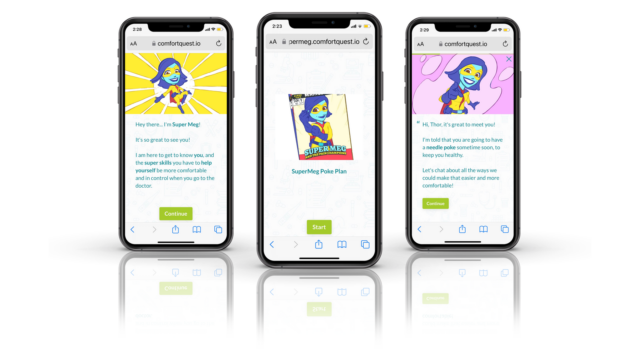
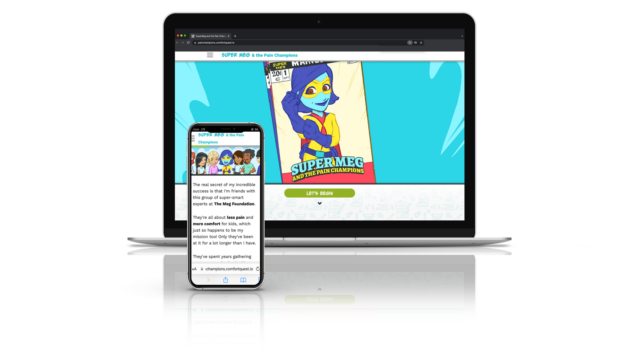
SuperMeg Poke Planner
Have no fear, SuperMeg is here! This interactive tech helps your child create a plan for being more calm and comfortable during needle pokes.
Downloads
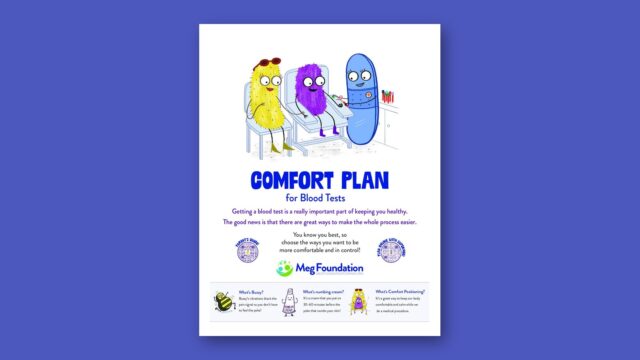
Comfort Plan for Blood Tests
Blood tests are one of the most common pokes kids face. Use this to help them plan how they want to be comfortable before the next one.
Digital Tool
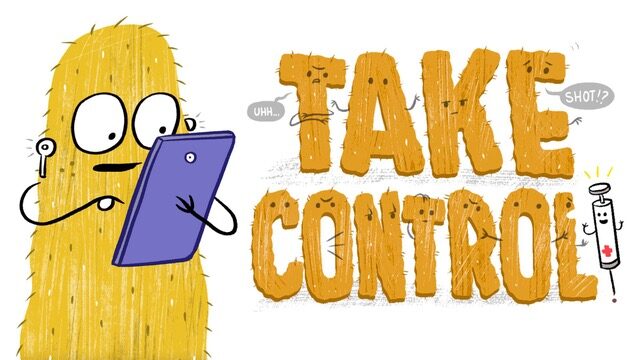
Take Control Mobile App for Teens
Meet the monsters helping your teen breathe easier, stress less, and take control during shots. Because doc visits don't have to be the actual worst.
Downloads
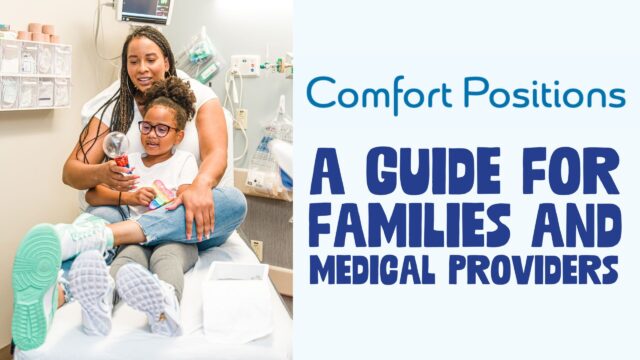
Comfort Positions: A Guide for Parents and Healthcare Professionals
This guide shows you how to keep kids safe, and help them feel supported, during medical procedures.

Downloads
Comfort Positioning Guide
Learn comfort positions that allow you to calm and comfort your child while keeping them safe!
Downloads
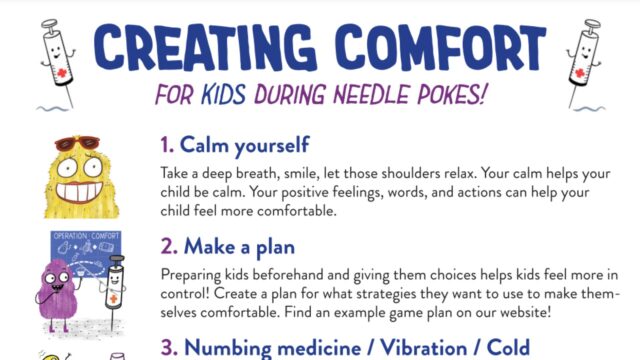
Creating Comfort for Kids Quick Guide
Great overview of the best pain management strategies for helping kids get through shots and other needle procedures feeling calm, comfortable, and in control.
Downloads
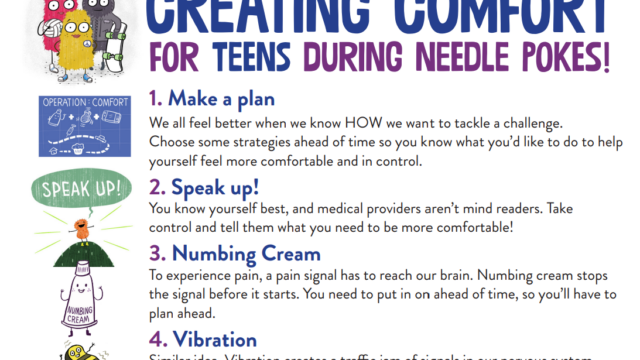
Creating Comfort for Teens Quick Guide
This infographic is a great overview of the best pain management strategies for helping teens get through shots and other needle procedures feeling calm, comfortable, and in control.
Can school nurses help adolescents with chronic pain?
About one in five children and teens live with chronic pain (Chambers et al., 2024), and for them, school can be one of the hardest parts of the day. The research is clear that staying connected to school supports recovery, while long absences tend to make function and pain scores worse. But keeping a child in pain in school requires supports and accommodations, which is not easy. Your role in that is enormous. A rest pass, a quiet check-in, and coordination on a 504 plan can be the difference between a student who stays and one who slips away.
Meg’s Chronic Pain Family Education Sheets help families understand why it’s so important to function even though the child is hurting, the role of CBT in recovery, how to improve sleep when pain is getting in the way, and school guidelines recommendations written for exactly these situations. We want to make it easier so you’re not building accommodations from scratch. The full set lives on the Chronic Pain Family Education Guides page.
Another phenomenal resource to have in your back pocket? ImaginAction, the self regulation app done in coordination with Stanford Children’s Health. Kids can use it independently, and it even has a video explaining why it works and how to use it. It’s great for kids to use when they are having a quiet time to promote quicker recovery and build coping skills.
Downloads
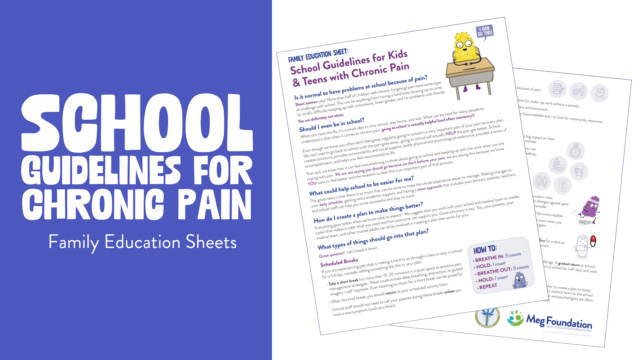
Chronic Pain Family Education Sheets: School Guidelines
School can be tough when you’re dealing with chronic pain. This educational guide helps families understand all the ways they can support kids and teens as they navigate the challenges.
Downloads
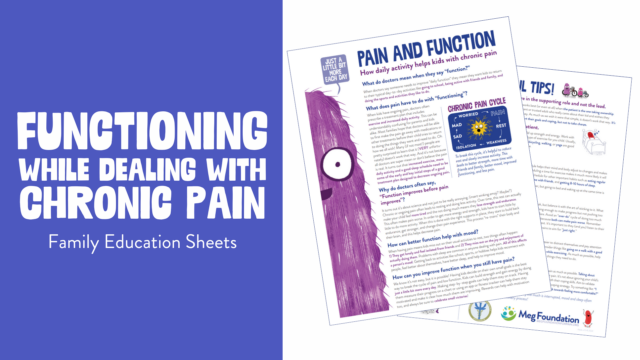
Chronic Pain Family Education Sheets: Daily Functioning
Getting back to normal daily activities can feel like a big challenge when you're struggling with chronic pain. This guide breaks down both the why and how you can make that happen.
Downloads
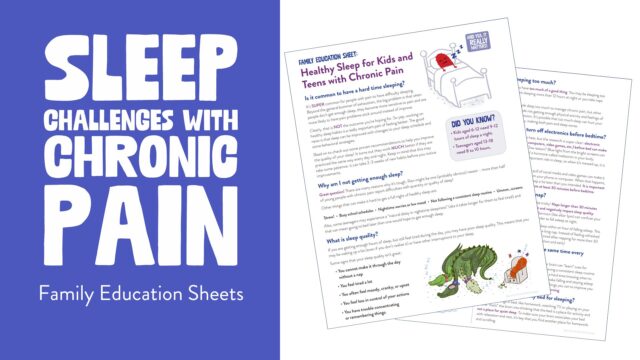
Chronic Pain Family Education Sheets: Healthy Sleep for Kids and Teens
Sleep challenges and chronic pain often go hand in hand. Top experts put together this guide about all the things that can help!
Downloads
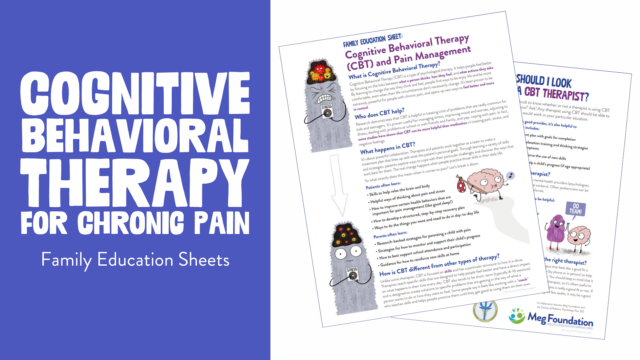
Chronic Pain Family Education Sheets: Cognitive Behavioral Therapy
Learn how Cognitive Behavioral Therapy works and how it can improve chronic pain.
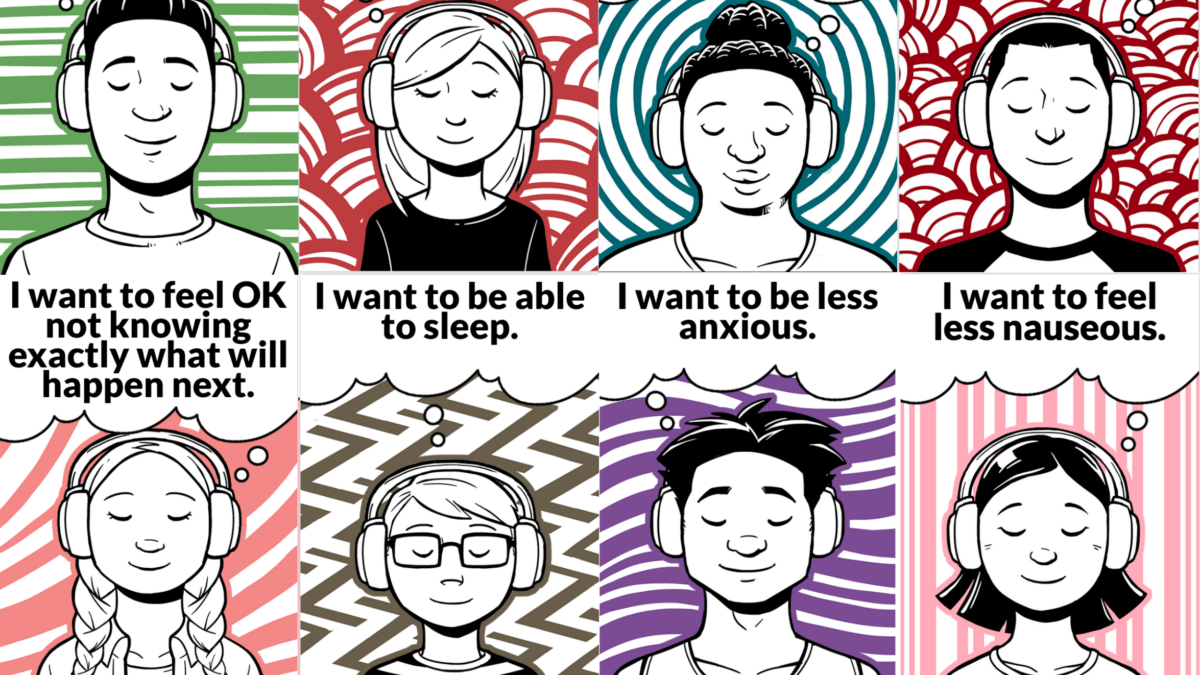
Digital Tool
ImaginAction
This website teaches you how you can use your imagination to have more control over your brain, your body, and your experience.
Podcast
Pain At School: Finding A Path Forward
In this episode, our lived experience pain experts share invaluable information about their experiences navigating school, academic demands, and chronic pain.
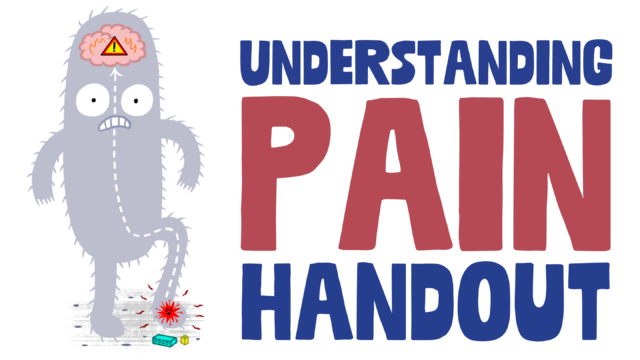
Downloads
Understanding Pain Handout
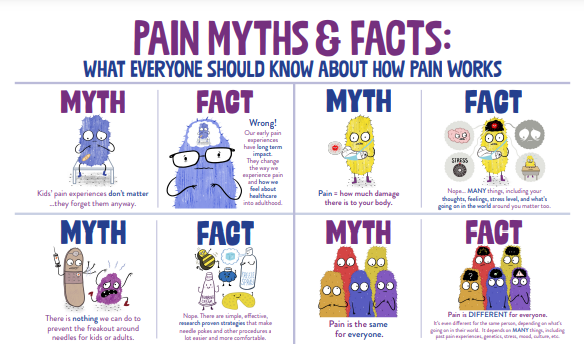
Knowing how pain works is key to learning how to prevent and manage it. This handout breaks it all down to make it easier for patients and providers.
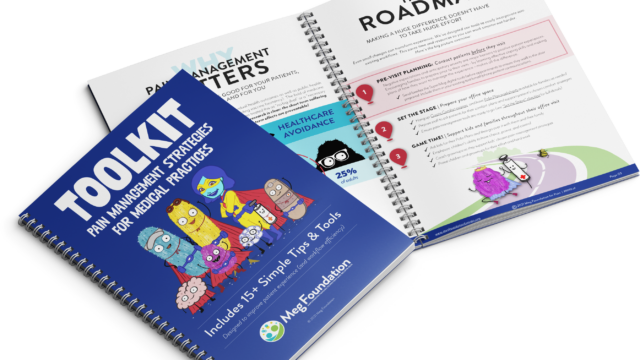
Book
Provider ToolKit
This interactive eBook makes it easy to learn all the ways our free pain management resources can be used to make life easier for you and your patients.
Podcast
Pain Isn't A Bad Word: Healthy Ways To Talk About Pain
In this episode, our lived experience pain experts share their wisdom about how they talk with friends, family, and teachers about pain.
Blog Post
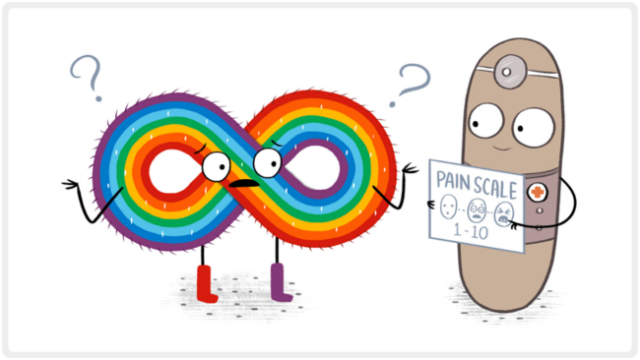
How Pain Affects Autistic People and What We Can do to Help
Danielle Hall from the Autism Society sheds light on the unique ways autistic individuals experience and communicate pain. Her insights help us understand why recognizing their discomfort can be challenging—and how we can better support them. Let’s dive into her guidance on providing more compassionate care.
What free pain resources can school nurses hand to families?
The Meg Foundation’s resources for school nurses and families are all free — no account, no cost, and nothing to fit in your budget. Print what you need for the desk drawer, or send a family a link so they still have it at home once the school day is over. The full set of chronic pain guides for families is on the Chronic Pain Family Education Guides page, and everything we make for clinicians is on the For Providers page.
A lot of what’s here is also available in Spanish. Everything we’ve translated so far is collected on one page — Recursos en Español — so you can hand a Spanish-speaking family the same thing you’d hand anyone else.
You’re already having these conversations every day. We’d love to make them a little easier. Thank you for all you do to help our kids every day!
Downloads
Headache Toolkit
A complete set of resources to help kids, families, and providers understand and manage headaches together.

Downloads
Handout to introduce patients to Meg Foundation resources
Medical providers often ask for something they can hand patients who could benefit from our resources. Problem solved!
Blog Post
Getting Ready For Kindergarten Vaccines
Why those shots don’t have to be a pain (literally or figuratively…)
Podcast
Educated Parent Podcast: The Parent's Guide to Back to School Shots
Dr. Jody joins Dr. Leah Clionsky to walk parents through back to school shots: how to build a poke plan, what comfort positions do, and what to ask for at the visit.

Interested in helping us help even more people by putting our science backed resources out in the world? We need amazing people like you! Consider donating today!