Why Does My Kid’s Pain Get Worse At School?
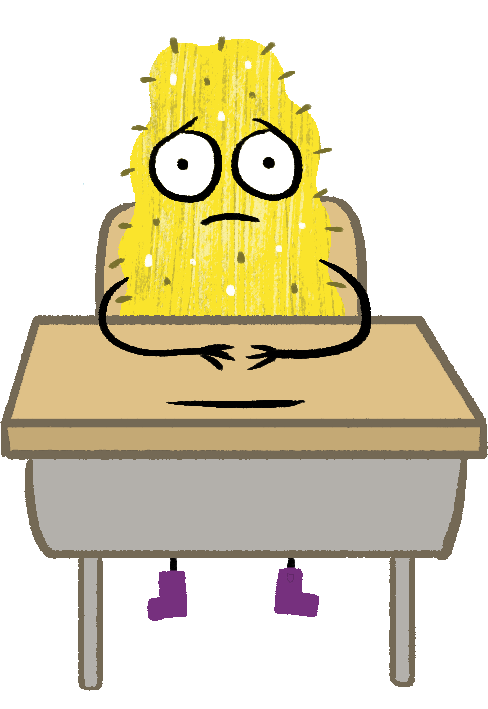
Every health care provider and pain specialty clinic knows: things are going to get REALLY busy by the end of September. If your child’s headaches, belly pain, or general “I don’t feel good” gets worse soon after school starts, please know you are not alone. The pattern is clear.
Now the good news: most of it makes sense once you understand that pattern and the factors driving that pain experience. Understanding what’s at play opens the doors to all the ways it can get better.
Here are some of the school related pain questions parents ask us most:
- Why does my kid get headaches at school, or right after?
- My child’s stomach hurts before school. Could it be anxiety?
- What if my child has chronic pain and school makes it worse?
- Why does my kid keep getting sick the first month of school?
- When should I actually worry about my child’s pain in school?
Why does my kid get headaches at school, or right after?
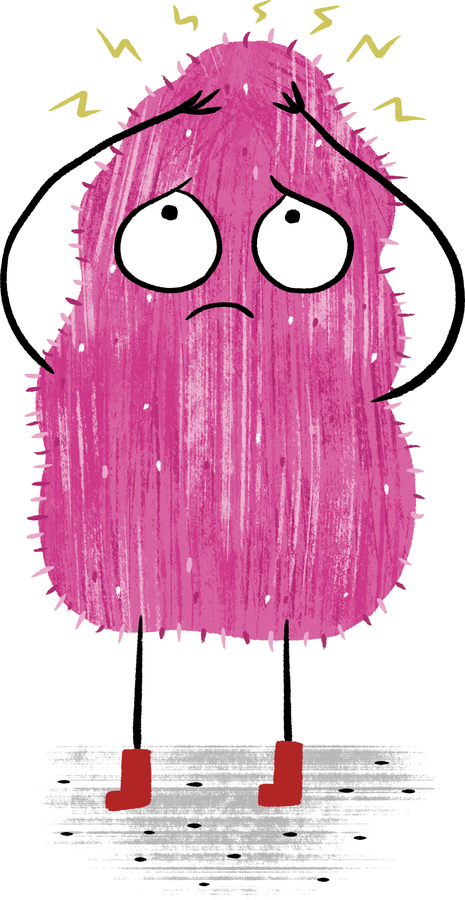
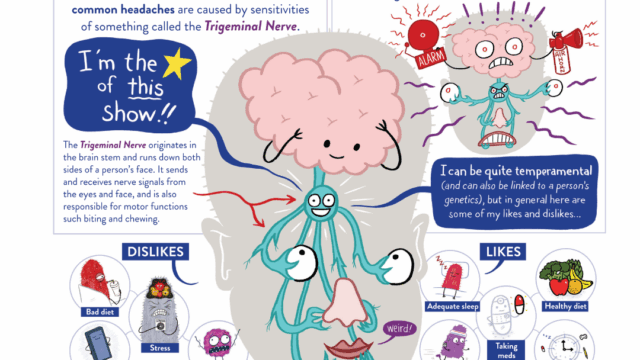
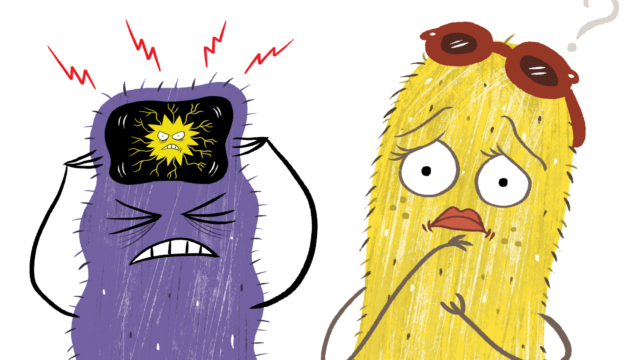
School quietly stacks up the most common headache triggers. Kids skip water because they don’t want to ask for the bathroom pass. They skip or rush lunch. They stare at screens, sit under fluorescent lights, sleep less, and carry more stress than they let on. Any one of those can bring on or worsen a headache. Put a few together on a random Tuesday and it’s not exactly a mystery why you’ve got a kid in the nurse’s office by mid-afternoon.
What helps, starting tonight:
- Start their morning with a full glass of water, and send a full water bottle to school (and ask if they can be allowed to keep at their desk). Remind them to refill it during the day, especially for those hot days.
- Pack a good lunch they’ll eat, along with some extra snacks, but keep processed foods to a minimum if possible. Low blood sugar is no one’s friend.
- Protect sleep like it’s a school supply. Lack of sleep means more headaches. More sleep can make them disappear.
- Prevent the after-school crash. A real snack (ideally involving protein and minimizing processed foods), another glass of water, and a screen break often head one off.
Headache triggers vary person to person, but a little detective work can help solve the mystery of what drives them for you/your child. Our Headache Toolkit walks you through tracking patterns, identifying what helps, discovering useful strategies, and learning how to build an action plan with your child, step by step.
More for headaches at school: A Pediatric Headache Specialist Shares Her Tips. The tracking diary, the action plans, and a sample school note you can bring to the office all live inside the Headache Toolkit.
And if you want the start-here version:

Your step-by-step guide for what to do about your child’s headaches — when to worry, when to wait, and what actually helps.
Downloads
Headache Toolkit
A complete set of resources to help kids, families, and providers understand and manage headaches together.
Downloads
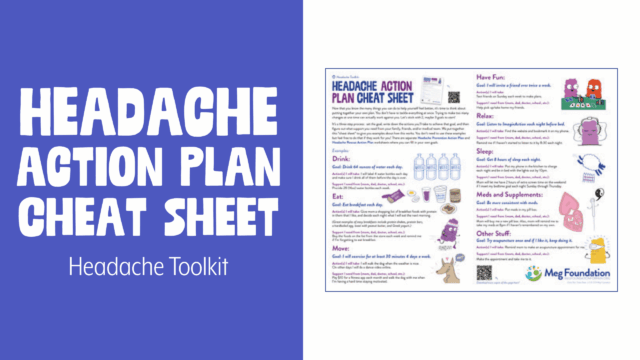
Headache Action Plan Cheat Sheet
See real examples of prevention and rescue goals to help you build a personalized headache plan.
Downloads
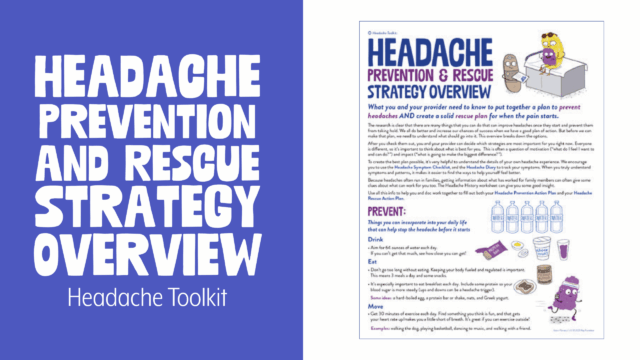
Headache Prevention and Rescue Strategy Overview
An overview of the strategies that prevent and manage headache pain, before you build a plan that fits.
Downloads
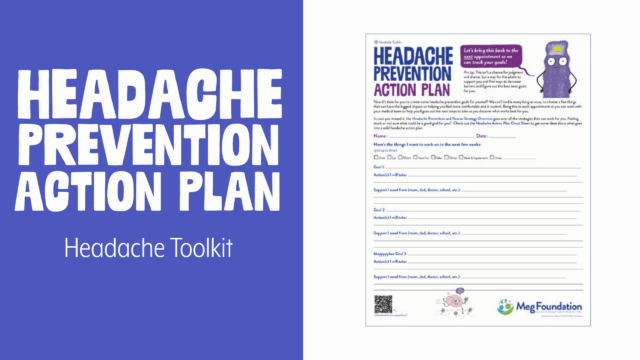
Headache Prevention Action Plan
A worksheet for setting a few prevention goals with your medical team and tracking them at every visit.
Downloads
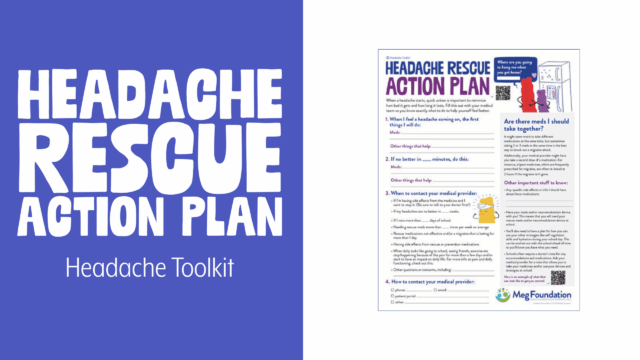
Headache Rescue Action Plan
Plan what to do when a headache hits, including the medications and strategies your doctor recommends.
Downloads
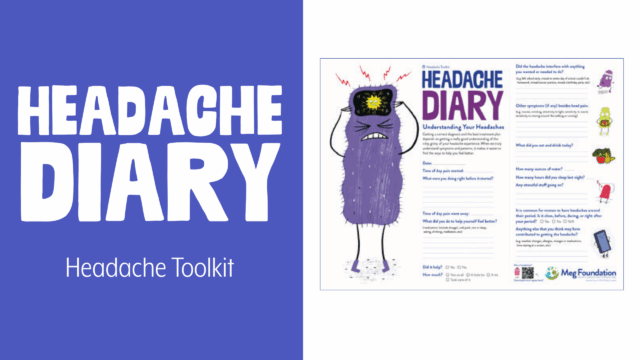
Headache Diary
Track headaches day by day to spot the patterns that make appointments with your doctor more useful.
Downloads
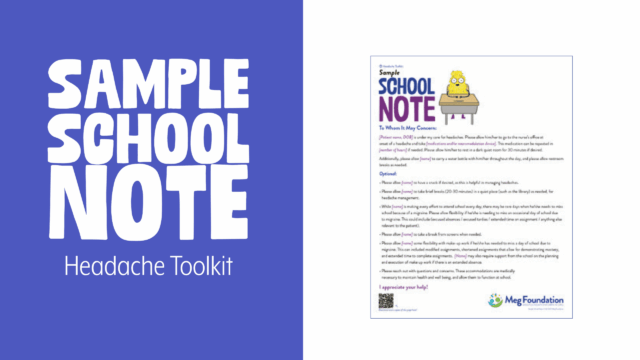
Sample School Note for Headaches
A sample accommodations letter your doctor can provide to help schools support kids when headaches strike.
Downloads
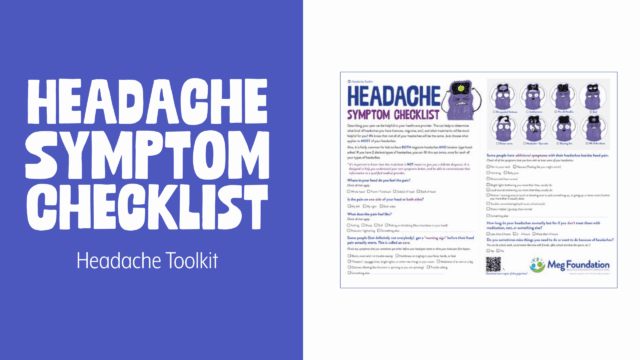
Headache Symptom Checklist
Describe headache pain accurately so your medical team can identify the type and the right treatment.
Downloads
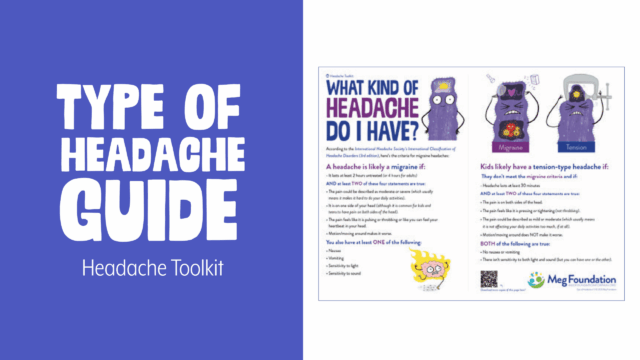
Type of Headache Guide
The clinical criteria for migraine and tension headaches, translated from doctor speak into plain language.
My child’s stomach hurts before school. Could it be anxiety?
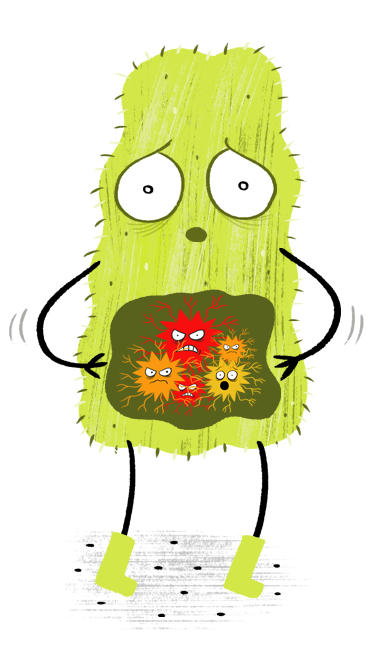
It is possible, yes. The gut and the brain are wired together, and worry frequently shows up as a stomach ache before school, especially in the morning. While it’s very possible anxiety might be part of the picture, the pain is still very much real. A nervous stomach can hurt as much as a stomach bug does. “It’s just anxiety” is not a thing we say, because there’s no “just” about it.
When it comes to pain, our mood and emotions will always play a role. This is true for every person and every pain, and no, it doesn’t mean anyone is “crazy.” It means that is just how the human body works, and you understand that pain is ALWAYS a biological, psychological, and social experience.
How big a role is anxiety playing? A useful clue is timing. If the stomachache fades once your child is settled at school and disappears entirely on weekends, stress is likely playing a role. That doesn’t mean you push them out the door or keep them home every time. It means you treat the worry and the body together: steady routines, naming the feeling, coping skills, and looping in the teacher or school counselor when mornings are consistently hard. If the pain comes with fever, vomiting, weight loss, or wakes them at night, check in with your pediatrician.
Podcast
Pain At School: Finding A Path Forward
In this episode, our lived experience pain experts share invaluable information about their experiences navigating school, academic demands, and chronic pain.
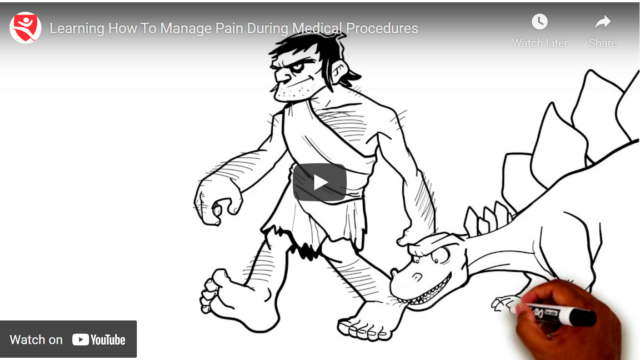
Video
Be The Boss Of Your Brain
Learn how to manage pain during medical procedures with this video from Stanford Children's Health.

Video
How to hack your brain when you're in pain
"Have we misunderstood pain?" Researcher and physician Amy Baxter unravels the symphony of connections that send pain from your body to your brain, explaining practical neuroscience hacks to quickly block those signals. Her groundbreaking research offers alternatives for immediate pain relief — without the need for addictive opioids.
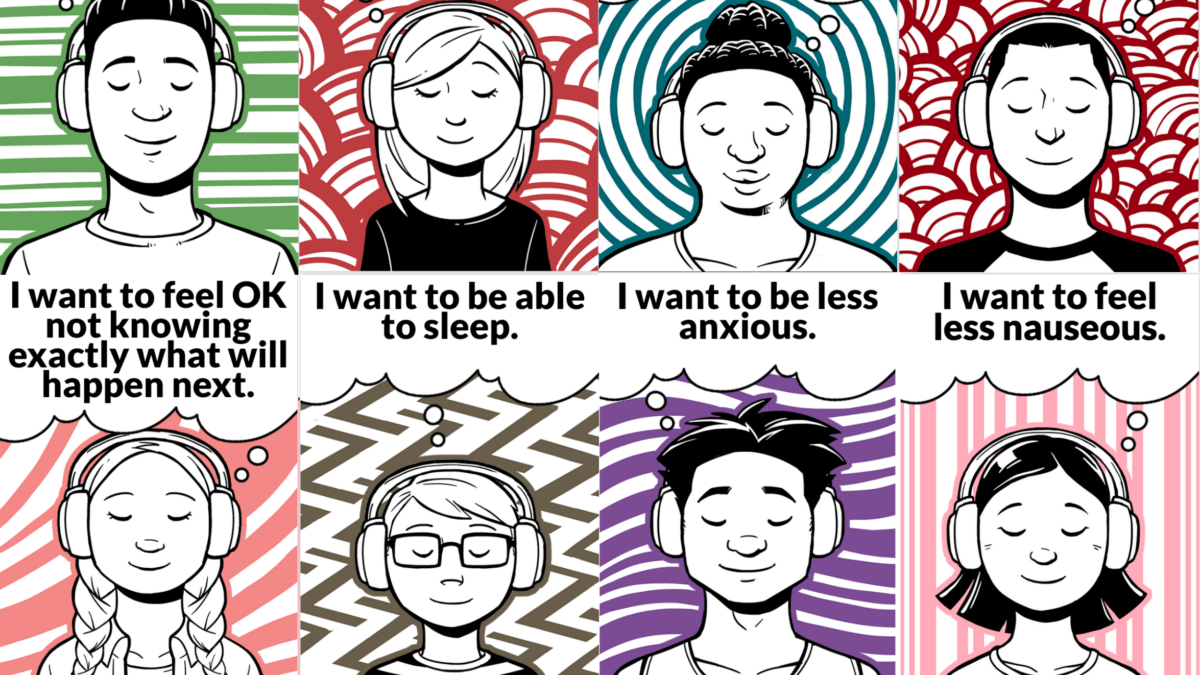
Digital Tool
ImaginAction
This website teaches you how you can use your imagination to have more control over your brain, your body, and your experience.

Blog Post
How to Have Difficult Conversations with Kids
If you’re getting tough questions from your kids right now, you’re definitely not alone, but there are some things that can make it easier. I’ve put together some tips and helpful things to say when you’re navigating tough conversations with kids.

Video
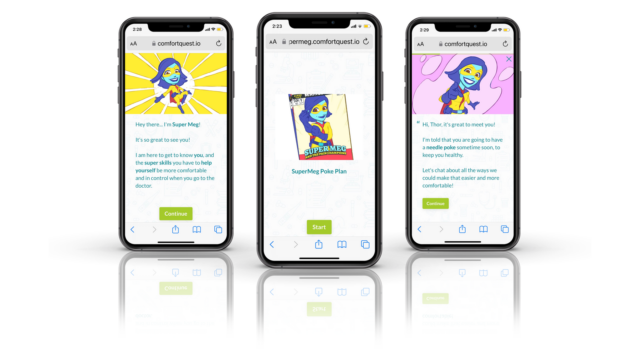
Breathing for Comfort with SuperMeg!
Deep breathing is the ultimate hack of your nervous system. Discover how it can help you feel more calm and comfortable by letting Super Meg guide you to find that pace that is right for you.
What if my child has chronic pain and school makes it worse?
For children living with chronic pain, the school transition can feel like climbing Mount Everest. This impacts a huge number of children: roughly one in five kids and teens (Chambers et al., 2024). Letting them stay home can feel really tempting (and seem reasonable) but in most cases, staying in school with the right accommodations supports recovery better than pulling back does. As we often have to say in pain world (and exactly no one likes to hear), function often has to return before full pain relief (this handout explains why).
That means the goal is function, not a pain score of zero before they walk into school. The key is the right support so your child can participate without getting too overwhelmed or pushing too hard into a pain flare.
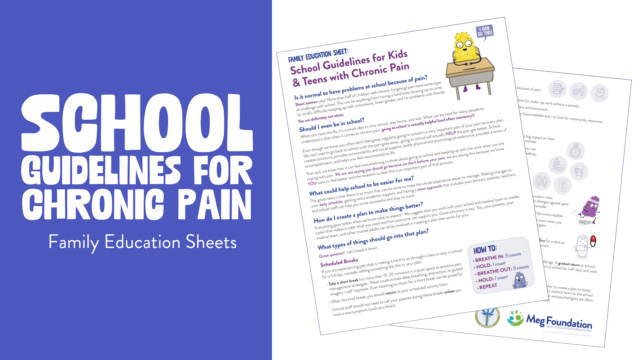
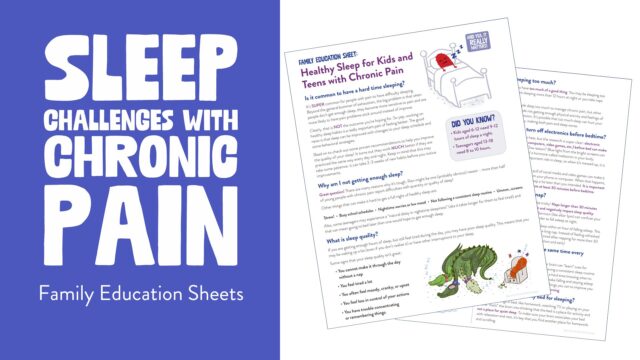
That’s where a 504 plan or an IEP can help. These are formal school support plans in public schools that spell out the accommodations needed so kids get what they need to learn. Common accommodations for pain management that can be written into these plans include things like extra time between classes, a rest pass, a second set of books, a quiet place for practicing self regulation skills, or flexible make-up work. Our Chronic Pain Family Education Sheets include a dedicated school-guidelines section you can bring straight to that meeting, and the Healthy Sleep for Kids and Teens with Chronic Pain sheet tackles the sleep issues that can make things so much worse.
Downloads
Chronic Pain Family Education Sheets: School Guidelines
School can be tough when you’re dealing with chronic pain. This educational guide helps families understand all the ways they can support kids and teens as they navigate the challenges.
Downloads
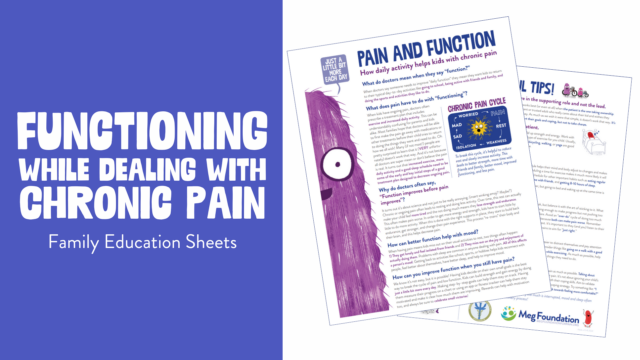
Chronic Pain Family Education Sheets: Daily Functioning
Getting back to normal daily activities can feel like a big challenge when you're struggling with chronic pain. This guide breaks down both the why and how you can make that happen.
Downloads
Chronic Pain Family Education Sheets: Healthy Sleep for Kids and Teens
Sleep challenges and chronic pain often go hand in hand. Top experts put together this guide about all the things that can help!
Downloads
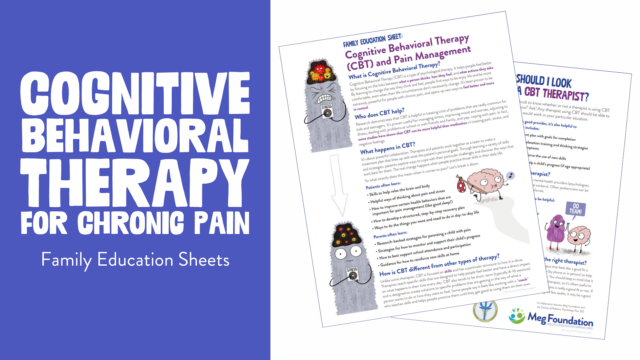
Chronic Pain Family Education Sheets: Cognitive Behavioral Therapy
Learn how Cognitive Behavioral Therapy works and how it can improve chronic pain.

Book
The Chronic Pain and Illness Workbook for Teens
Pediatric pain specialist Rachel Zoffness offers evidence-based strategies to help teens turn the volume down on chronic pain and illness and get back to living their life.
Podcast
Pain Isn't A Bad Word: Healthy Ways To Talk About Pain
In this episode, our lived experience pain experts share their wisdom about how they talk with friends, family, and teachers about pain.
Podcast
Dealing With Pain On The Daily
In this episode, our lived experience pain experts share their unique experiences with active coping, their preferred strategies and tools.
Podcast
Bouncing Back From Pediatric Chronic Pain: Our Stories
In this episode, you will meet Sophia Brooke, Fiona, and Bridget. These four share their experiences learning to manage chronic pain and how they never thought they would be where they are today.
Podcast
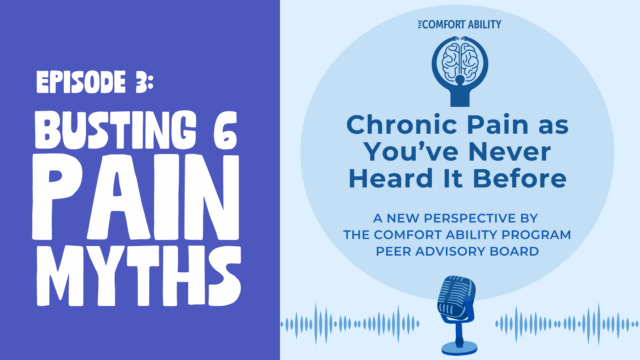
Busting 6 Pain Myths
In this episode, our lived experience pain experts share some of their early misconceptions about pain and challenge Dr. Coakley and Dr. Riley to set the record straight.

Blog Post
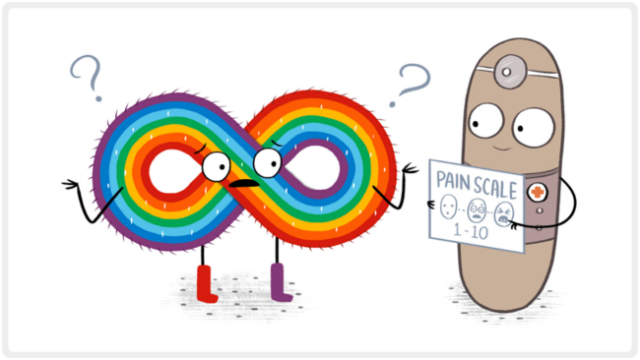
How Pain Affects Autistic People and What We Can do to Help
Danielle Hall from the Autism Society sheds light on the unique ways autistic individuals experience and communicate pain. Her insights help us understand why recognizing their discomfort can be challenging—and how we can better support them. Let’s dive into her guidance on providing more compassionate care.
Why does my kid keep getting sick the first month of school?
The first few weeks back pile on a new classroom, new germs, and a run-down immune system all at once. School-age kids catch a lot of colds — often six or more across a year, and more when they’re around a lot of other kids (HealthyChildren.org, American Academy of Pediatrics). A cluster right when school starts is normal, if exhausting. Sleep, regular meals, and handwashing do more than any supplement. It usually settles as their bodies adjust to the new exposure.
When those run-down weeks bring headaches or stomachaches along for the ride, the Headache Toolkit and Pain At School: Finding A Path Forward cover what to do.
Downloads
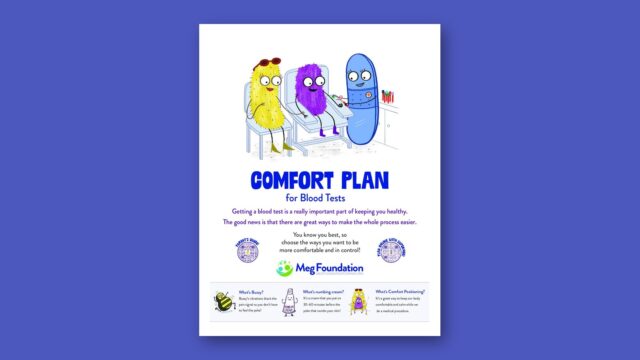
Comfort Plan for Blood Tests
Blood tests are one of the most common pokes kids face. Use this to help them plan how they want to be comfortable before the next one.
Downloads
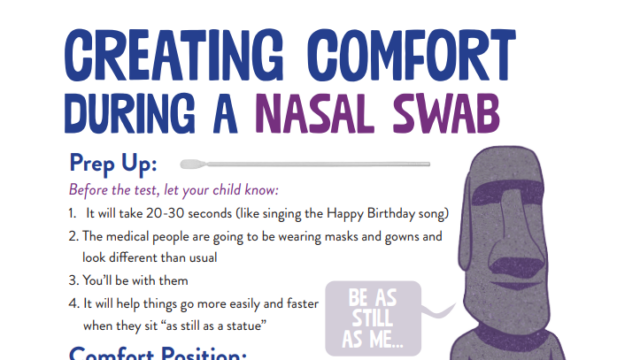
Creating Comfort During Nasal Swab Quick Guide
Strategies to feel better when they shove a long swab up your nose.
Downloads
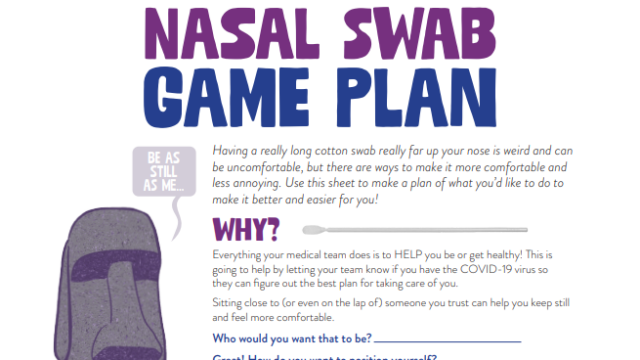
Nasal Swab Game Plan
We all do better with a plan! Use this to help kids create a coping plan before that next COVID test.

Blog Post
Nasal Swabs: Creating Comfort and Preventing Pain for Little (and Big!) People
Experiencing a nasal swab just went from not very likely to pretty likely– Read these tips for creating comfort for kids during COVID testing
Downloads
Printable Comfort Poke Plan for Kids
We all do better with a plan! Use this to help kids create one of their very own before their next poke.

When should I actually worry about my child’s pain in school?
Most school-season pain is uncomfortable, not dangerous. Call your pediatrician if you see any of these:
- A headache that wakes your child from sleep
- A headache that is suddenly “the worst ever”
- Pain with fever or a stiff neck
- Vision changes, weakness, or confusion
- Vomiting without a stomach bug
- Weight loss
- Pain that is steadily getting worse, or knocking your child out of the activities they love
You know your kid. If something feels off, trusting that instinct is worth a phone call. (How to Get the Best Help from Your Child’s Doctor helps you make that call count.) If headaches are the problem, the headache journey map walks you through what to do and when to escalate.
If you’re a school nurse (or want to share this with yours), we made a companion guide: Free Pain Management Tools for School Nurses.
Looking for something pitched to your child’s age? Resources for Kids (3-11) and Resources for Tweens and Teens (12+). Everything we have in Spanish is at Recursos en Español.
Video
How to Get the Best Help from Your Child's Doctor
Dr. Jody Thomas and CHYP get together to discuss how parents and healthcare providers can join forces to give kids with chronic pain the best care possible.
Downloads
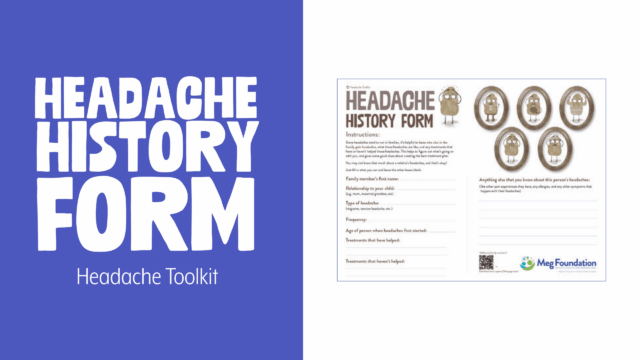
Headache History form
Capture family headache history to uncover patterns and guide more effective treatment with your doctor.
Downloads
Headache Symptom Checklist
Describe headache pain accurately so your medical team can identify the type and the right treatment.

Interested in helping us help even more people by putting our science backed resources out in the world? We need amazing people like you! Consider donating today!